
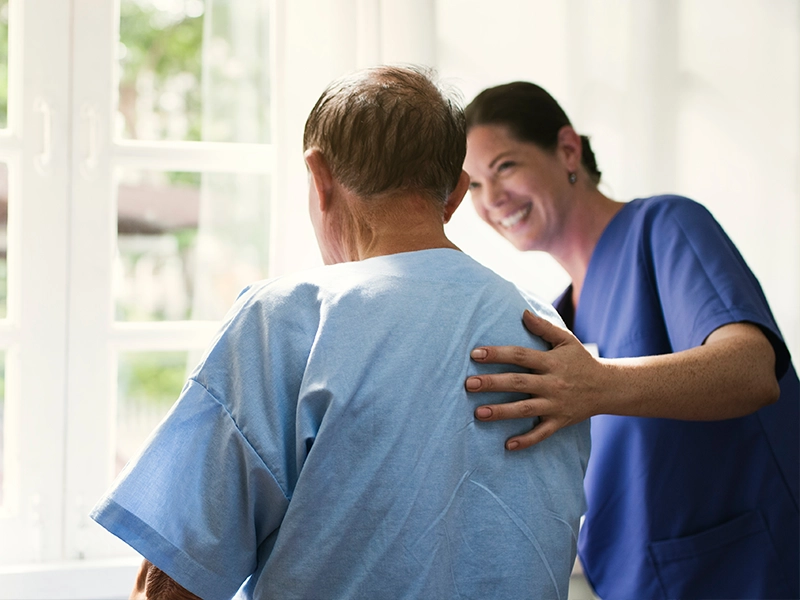
Most individuals desire to live in their own homes for as long as possible. Your home represents comfort, memories, and independence. However, as we age, the home environment can present unexpected challenges. Mobility issues often arise slowly, and they significantly increase the risk of falls. A fall can change your life in an instant, leading to injury, loss of confidence, and a decline in overall health. Fortunately, falls are not an inevitable part of aging. You can take control. By making specific adjustments to your living space and focusing on personal health, you create a safer environment that supports longevity and freedom.
Gena Care understands the deep value of aging in place. We believe that with the right knowledge and support, seniors can navigate their homes safely. This guide provides actionable steps to improve mobility and eliminate hazards. We focus on practical solutions that you can implement immediately. From decluttering pathways to strengthening your body, every action counts toward a safer future.
Understanding the Reality of Falls
We must first understand why falls happen to prevent them effectively. Falls rarely occur due to a single cause. Usually, a combination of factors creates a “perfect storm.” Physical changes play a large role. As people age, muscle mass decreases, and reaction times slow down. Vision changes affect how we see depth and contrast, making it harder to spot obstacles. Additionally, certain medications cause dizziness or drowsiness, which affects balance.
Beyond physical changes, the home environment itself often harbors hidden dangers. A loose rug, a dim hallway, or a cluttered floor poses a serious threat. Often, we live with these hazards for years without noticing them. We navigate our homes on autopilot. Prevention requires us to look at our surroundings with fresh, critical eyes. We must identify these risks and remove them before an accident occurs.
Securing the High-Risk Zones: The Bathroom
The bathroom frequently ranks as the most dangerous room in the house. Hard surfaces, water, and tight spaces create a hazardous combination. You need to prioritize safety here above all else. Start by installing grab bars. Do not rely on towel racks or soap dishes for support; they will detach from the wall under pressure. Place grab bars near the toilet and inside the shower or tub. These bars provide stability when you transition between standing and sitting.
Next, address the floor. Wet floors cause slips. Use non-slip mats both inside and outside the shower. Ensure these mats have a rubber backing that grips the floor firmly. Furthermore, consider a shower chair or bench. Sitting while bathing reduces fatigue and eliminates the balancing act required to wash your feet. If the toilet seat sits too low, getting up becomes a strain. A raised toilet seat with armrests makes this daily task much easier and safer.
Clearing Pathways for Safe Movement
You need clear, unobstructed paths to move freely through your home. Clutter serves as a major enemy of mobility. Take a walk through your home and look at the floor. Do you see piles of magazines, shoes, or boxes? Remove them immediately. You should arrange furniture to create wide walkways. If you have to squeeze between a sofa and a coffee table, move the table. You need enough space to walk comfortably, even if you use a cane or walker.
Area rugs also trip many people. While they look nice, the edges often curl up. The safest option involves removing them entirely. If you must keep them, secure them to the floor with double-sided tape or a non-slip backing. Additionally, examine your cords. Electrical cords stretching across walkways invite disaster. Coil them up and tuck them behind furniture or tape them along the baseboards.
Illuminating Your Living Space
We cannot avoid what we cannot see. Good lighting proves essential for fall prevention. As eyes age, they require more light to see clearly. Increase the wattage of your bulbs to the maximum safe limit for your fixtures. Brighten up every room. Pay special attention to staircases and hallways. These areas must remain well-lit at all times.
Consider installing motion-sensor lights. These lights turn on automatically when you enter a room, so you never have to search for a switch in the dark. Nightlights also play a crucial role. Place them in the bedroom, hallway, and bathroom. If you need to use the restroom in the middle of the night, a clear, lit path guides you safely. Keep a flashlight near your bed for emergencies as well.
The Kitchen: Accessibility and Organization
The kitchen acts as the heart of the home, but it also presents mobility challenges. Reaching for high shelves or bending into deep cabinets can throw off your balance. Rearrange your kitchen to match your capabilities. Place frequently used items, such as plates, glasses, and staple foods, on shelves at waist or shoulder height. You should not need to climb on a step stool or bend down low for items you use daily.
Clean up spills the moment they happen. A drop of water or oil on a tile floor becomes invisible and incredibly slippery. Furthermore, choose a stable chair for your kitchen table. Avoid chairs with wheels. If you feel tired while cooking, sit down to chop vegetables or mix ingredients. conserving your energy helps you maintain focus and stability.
Prioritizing Physical Health and Fitness
Your body serves as your primary defense against falls. Strong muscles and good balance keep you upright. You should engage in regular physical activity to maintain your mobility. Simple exercises make a significant difference. Walking remains one of the best activities for seniors. It builds leg strength and improves cardiovascular health. Resistance exercises, using light weights or resistance bands, also help maintain muscle mass.
Balance exercises prove equally important. Practices like Tai Chi focus on slow, deliberate movements that improve body awareness and stability. Always consult a healthcare professional before starting a new exercise routine. They can recommend safe activities tailored to your specific needs.
Hydration also impacts mobility. Dehydration causes dizziness and confusion, which lead to falls. Drink water throughout the day, even if you do not feel thirsty. Nutrition matters too. Calcium and Vitamin D support bone health, ensuring that if a fall does happen, the risk of fracture decreases.
The Role of Medication Management
Many seniors take multiple medications. Side effects often include dizziness, lightheadedness, or drowsiness. You must manage your medications carefully. Keep an updated list of all your prescriptions and over-the-counter supplements. Review this list with your doctor or pharmacist regularly. They can identify potential interactions that might increase your fall risk.
Take your medications exactly as prescribed. Do not skip doses or double up. If a medication makes you feel unsteady, report it to your doctor immediately. They may adjust the dosage or switch you to a different alternative. Organizing pills in a weekly dispenser helps ensure you take the right amount at the right time.
Leveraging Professional Assistance
Sometimes, family members and seniors need extra support to maintain safety. Identifying hazards and managing health needs can become overwhelming. Professional caregivers offer a solution that bridges the gap between independence and safety. They bring expertise in fall prevention and mobility support.
When you engage Home Care Services Calgary, you gain a partner in safety. Gena Care caregivers assist with daily activities that pose fall risks, such as bathing, dressing, and moving around the house. They also provide medication reminders and help keep the home environment clutter-free. Having a professional present offers peace of mind to both seniors and their families. We act as an extra set of eyes, spotting potential dangers before they cause harm.
selecting the Right Footwear
What you wear on your feet matters immensely. Walking in socks or loose slippers significantly increases the risk of slipping. You should wear sturdy shoes with non-skid soles inside the house. Shoes that lace up or use Velcro provide better support than slip-ons. They keep your foot stable and prevent the shoe from sliding off.
Check the soles of your shoes regularly. If the tread looks worn down, replace the shoes. Avoid high heels or thick, heavy soles that impair your ability to feel the floor. Your feet provide sensory input that helps your brain maintain balance. Proper footwear enhances this feedback loop.
Using Assistive Devices with Confidence
Many people resist using canes or walkers because they fear it signals a loss of independence. In reality, these tools extend your independence. They allow you to move around safely and confidently. If a doctor or physical therapist recommends a cane or walker, use it. Ensure you adjust it to the correct height. An improperly sized device can destabilize you.
Consider other technologies as well. Personal emergency response systems (PERS) save lives. If you fall and cannot get up, a simple button press summons help. Smartwatches now include fall detection features. Wearing an alarm device ensures that if an accident occurs, you receive help quickly, minimizing the impact of the fall.
Managing the Fear of Falling
Fear itself creates a risk factor. When people fear falling, they often limit their activities. They move less, which leads to muscle weakness and stiff joints. This physical decline actually increases the likelihood of a fall. It becomes a vicious cycle.
You must address this fear. Confidence comes from taking action. By modifying your home, exercising, and perhaps using a walking aid, you build a safety net. Discuss your fears with family or a counselor. Acknowledging the fear allows you to conquer it. Replace the fear with proactive positive steps.
Conclusion
Mobility and fall prevention require a proactive approach. You hold the power to change your environment and strengthen your body. Every loose rug you remove and every grab bar you install represents a victory for your independence. Remember that you do not have to do this alone. Family, healthcare providers, and professional caregivers form your support team.
Gena Care remains committed to helping you live safely at home. We believe that with the right precautions, you can enjoy your golden years with confidence and peace. Take the first step today. Look around your home. make one change. Then make another. Your safety depends on it.
If you have questions about home safety assessments or need support for a loved one, please Contact us. We are here to help you navigate these important decisions.
Frequently Asked Questions
What is the single most effective way to prevent falls at home?
While no single method guarantees total prevention, combining exercise with home modifications yields the best results. Strengthening your legs and core improves your balance, while removing tripping hazards like rugs and clutter minimizes external risks.
How often should I have my vision checked to prevent falls?
You should schedule an eye exam at least once a year. Vision changes can happen gradually. Updating your prescription ensures you can see obstacles, depth changes, and contrasts in your environment clearly.
Does Medicare or insurance cover home modifications for safety?
Coverage varies significantly. Generally, standard insurance does not cover permanent home modifications like ramps or grab bars, classifying them as home improvements. However, some plans may cover durable medical equipment like hospital beds or commodes. You must check with your specific provider for details.
How can I talk to my parents about using a cane or walker?
Approach the conversation with empathy and focus on their goals. Frame the device as a tool for freedom rather than a sign of weakness. Explain that a walker or cane allows them to go more places and do more things without fatigue or fear.
What should I do immediately if a fall occurs?
First, stay calm. Do not try to get up immediately, as this can worsen an injury. Assess your body for pain. If you can move safely, roll onto your side and crawl to a sturdy piece of furniture to pull yourself up. If you are injured or cannot get up, use your emergency alert device or call for help immediately.