
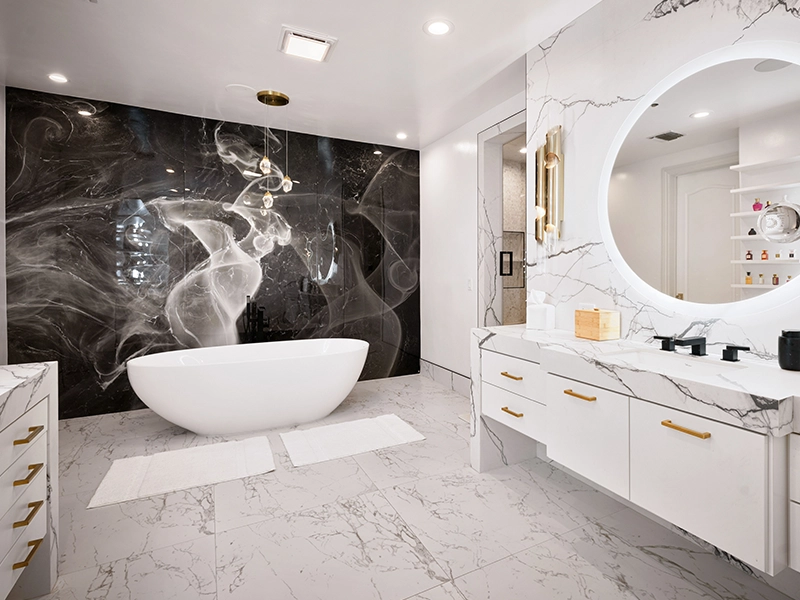
A well-designed bathroom can make a stronger impression than almost any other part of the home. It is where comfort meets practicality and where homeowners notice daily improvements in quality of life. Beyond comfort, bathroom renovations are one of the most reliable ways to raise long-term home value. Whether we plan to sell in a few years or simply want to future-proof our property, upgrading this space often pays back both financially and functionally.
Understanding How Bathroom Renovations Impact Value
Buyers naturally focus on kitchens and bathrooms when evaluating a property. These spaces are expensive to renovate and signal how well a home has been maintained. A dated bathroom makes buyers calculate extra costs, while an updated one creates a sense of relief and attraction. Even small updates can make a big difference in perception.
When we think about value, we should include more than resale price. Renovations influence energy efficiency, long-term durability, and maintenance costs. A modern bathroom often includes water-saving fixtures, improved lighting, and better ventilation systems that reduce humidity damage. Over time, these upgrades protect the property and lower expenses.
Renovating a bathroom also means addressing hidden structural issues like plumbing leaks, mold, or poor insulation. Fixing these problems early prevents costly damage later and helps maintain the home’s marketability.
Key Upgrades That Increase Long-Term Value
Every renovation project is different, but some features consistently boost long-term worth. Quality always outweighs quantity in this area.
Improved Layout and Function
One of the most valuable changes involves optimizing the layout. Older bathrooms often have wasted space or poorly placed fixtures. By rethinking the design, we can improve traffic flow and make the room feel larger. Adding storage, improving lighting, or changing door swing direction can all create noticeable improvements without expanding the footprint.
For example, replacing a bathtub with a walk-in shower can attract both younger buyers seeking modern design and older buyers looking for accessibility. Functionality is timeless value.
Energy Efficiency and Sustainability
Energy-efficient bathrooms attract attention from modern homeowners. Low-flow toilets and faucets, LED lighting, and ventilation fans with timers or humidity sensors lower utility costs while reducing environmental impact. Even better, these upgrades often qualify for rebates or tax incentives.
Sustainable materials also hold long-term appeal. Stone, porcelain, and recycled glass tiles age well and maintain their appearance for decades. They resist moisture and require minimal maintenance, which helps preserve the home’s overall condition.
Modern Fixtures and Finishes
Trends evolve, but good taste remains constant. Clean lines, neutral colors, and simple finishes stay appealing across generations. Matte black or brushed nickel hardware, wall-mounted vanities, and frameless glass showers signal modern quality.
We should avoid overly personalized design choices that might limit future buyers. Instead, focus on creating a balanced and flexible look that fits most lifestyles. Subtle luxury—like heated floors or backlit mirrors—adds perceived value without overwhelming the space.
Quality Materials and Workmanship
The best bathroom renovations are not necessarily the most expensive. They are the ones that combine solid materials with professional workmanship. A small bathroom built to last outperforms a large one that begins to show wear after a few years.
Durable grout, sealed surfaces, and properly installed waterproofing layers protect against water damage, which is one of the main threats to a home’s structure. Using professionals experienced in renovation services in Calgary ensures that every element meets safety and quality standards for local conditions.
Avoiding Common Mistakes That Lower Value
Some bathroom projects do the opposite of what we intend and actually reduce property value. Knowing what to avoid is just as important as knowing what to do.
Over-Personalized Design Choices
A bold color scheme or unusual layout may suit personal taste but can alienate potential buyers later. When aiming for long-term value, it is safer to prioritize neutral, elegant design that can be easily personalized with décor.
Ignoring Proper Ventilation
Mold and moisture are silent destroyers of value. A beautiful renovation can quickly deteriorate if ventilation is insufficient. Installing a strong, quiet exhaust fan or a window that opens properly helps prevent this issue.
Choosing Low-Quality Materials
Cheap fixtures may look good for a short time but rarely hold up under daily use. Replacing them within a few years adds unnecessary cost. It is better to invest in fewer but stronger components.
Overlooking Accessibility
Future-proofing a bathroom adds significant appeal. Features like curbless showers, wider doorways, and lever-style handles are subtle yet valuable. They make the space comfortable for all ages and abilities, an advantage when selling or aging in place.
How Bathroom Renovations Improve Daily Life
Beyond the numbers, there is a practical side that every homeowner feels after a bathroom renovation. A well-designed space simplifies routines, reduces stress, and often improves health. Better lighting and ventilation make mornings easier, while improved layouts prevent clutter and accidents.
A bathroom designed for comfort also encourages cleanliness and order. Heated flooring keeps the space warm in winter, while well-planned storage keeps everything within reach. Even minor changes, like installing a towel warmer or an automatic night light, can make daily living smoother.
Homeowners who complete quality renovations also enjoy peace of mind knowing the plumbing and electrical systems are safe and up to code. These upgrades remove the uncertainty of future breakdowns and surprise repairs.
The Long-Term Financial Perspective
Bathroom renovations are among the few home upgrades that return a high percentage of investment when selling. According to many real estate studies, homeowners typically recover around two-thirds of their renovation costs, sometimes more in competitive markets.
Even if we are not planning to sell soon, the benefits compound over time. A well-maintained, updated bathroom reduces ongoing repair expenses, lowers utility bills, and helps the entire home age better. When the time does come to sell, the bathroom becomes one of the strongest selling points.
Appraisers and buyers alike notice quality workmanship and timeless design. A modern, energy-efficient bathroom suggests that the entire property has been well cared for, creating trust and justification for a higher asking price.
Planning a Bathroom Renovation with Value in Mind
The first step toward a valuable renovation is defining clear goals. Are we modernizing for personal comfort, preparing for resale, or improving efficiency? The answer determines how to prioritize the budget.
A professional evaluation helps identify weak points such as water leaks, outdated wiring, or inefficient layouts. From there, planning becomes about balance: function, style, and durability.
We should think in terms of decades, not trends. Timeless design choices, sturdy materials, and proper installation protect the investment for years to come. Choosing experienced professionals for plumbing, tile work, and electrical tasks ensures that everything functions safely and lasts.
When possible, align the renovation with other upgrades such as improved insulation or smart home integration. Coordinating projects saves time and ensures consistent design quality across the home.
Signs It’s Time to Renovate
Several indicators suggest when a bathroom renovation is no longer optional. Persistent moisture, peeling paint, mold growth, or constant plumbing issues usually point to deeper problems. Cracked tiles, outdated fixtures, and poor lighting reduce comfort and safety.
Even if the bathroom looks fine on the surface, rising energy bills or poor water pressure can signal inefficiency. Renovating before these problems worsen avoids major structural repairs and preserves long-term value.
Professional Insight: Why Local Experience Matters
Every region has unique conditions that influence building materials and design. In Calgary, for instance, humidity levels, cold winters, and local building codes all play a role in how a renovation should be planned.
Hiring professionals who understand these conditions can prevent future issues. They know which materials handle the local climate best and which layouts optimize energy efficiency. Working with local experts in renovation services in Calgary ensures compliance with regulations and lasting quality.
Bringing It All Together
A successful bathroom renovation balances immediate comfort with future value. By focusing on smart design, quality materials, and professional execution, we create a space that enhances both daily life and the overall worth of the property.
If you are considering updating your bathroom and want to plan a project that will last, feel free to contact us for advice or assistance. Taking the first step toward improvement often starts with a simple conversation about what truly adds value.
Frequently Asked Questions
How much does a full bathroom renovation typically cost?
Costs vary depending on size, materials, and scope of work. In most cases, homeowners can expect anywhere from several thousand dollars for small updates to more for full remodels. Quality materials and proper installation usually provide better long-term value.
How long does a bathroom renovation take?
Most projects last two to four weeks once construction begins. Timelines depend on material availability, complexity, and any structural changes. Planning ahead and having clear goals helps prevent delays.
Is it better to renovate one bathroom or several at once?
Renovating multiple bathrooms at once can save time and labor costs if the home allows it. However, it can also create temporary inconvenience. Many homeowners prefer to complete one space before moving on to the next.
Do bathroom renovations require permits?
Yes, many do. Structural, plumbing, or electrical changes usually need permits to meet local safety codes. A licensed professional can handle the permit process and ensure compliance.
What is the best way to maintain a renovated bathroom?
Regular cleaning and proper ventilation are key. Wiping surfaces dry after showers, checking for leaks, and keeping grout sealed all extend the life of the renovation. Routine maintenance prevents small problems from turning into costly repairs.