
Finding the Right Portable Air Solution for Your Site
Choosing a portable diesel compressor is a big decision for any construction or industrial project. You need a machine that works hard and stays reliable in tough weather. Because these units provide the power for jackhammers and drills, they are the heartbeat of many job sites. We know that picking the wrong size can lead to delays and high fuel costs. Therefore, our team wants to help you understand what to look for when you browse for new equipment. At CFM Air Equipment, our goal is to ensure you get a machine that fits your specific needs perfectly.
First, you should think about the air volume you need. This is measured in cubic feet per minute. If your tools require more air than the machine produces, they will not work correctly. Furthermore, a compressor that is too small will run constantly at high speed. This causes parts to wear out much faster than they should. In contrast, a machine that is too big will waste expensive fuel every single hour. Our professional technicians suggest listing all the tools you plan to use at the same time to find your total air requirement. Once you know your air volume needs, it is also worth thinking about how that air travels across your site — a well-designed air piping system ensures pressure stays consistent from the compressor all the way to your tools.
Why Fuel Efficiency Matters for Your Bottom Line
Fuel is one of the highest costs when running heavy machinery. Consequently, modern engines are designed to use much less diesel than older models. When you look at different brands, check for advanced control systems. These systems adjust the engine speed based on how much air you are actually using. As a result, you save money during times when the work is slow. If you want to lower your operating costs, you should look into energy savings options available on modern units.
Besides saving money, efficient machines are better for the environment. Many sites now have strict rules about emissions and noise. Modern portable diesel compressors often come with specialized mufflers and low-emission engines to meet these standards. Our team recommends checking the local laws in your area before making a final purchase. Choosing a quiet machine will also make your neighbours much happier throughout the day. CFM Air Equipment provides units that balance high power with smart fuel management.
Portability and Durability in Harsh Conditions
Portable machines must be easy to move from one location to another. Look for units with heavy-duty towing hitches and strong tires. Because sites can be muddy or rocky, a solid chassis is very important. You do not want a frame that bends or rusts after just one season of work. Additionally, check the enclosure of the machine. A high-quality canopy will protect the internal components from rain, dust, and snow.
Maintenance is another key factor for long-term success. You want a compressor that allows easy access to filters and oil drains. If a machine is hard to service, workers might skip important steps. This leads to breakdowns that stop your entire project. Our professional technicians always tell our clients to look for “service-side” designs where everything is reachable from one spot. At CFM Air Equipment, we value equipment that stays on the job instead of sitting in the repair shop.
Matching Pressure to Your Project Needs
Pressure is just as important as volume when selecting a compressor. Most standard tools run on 100 to 125 PSI. However, specialized tasks like sandblasting or high-pressure drilling might need much more. If the pressure drops too low, your tools will lose their impact force. Therefore, you must ensure the compressor can maintain a steady pressure even under a heavy load. It is often smart to choose a unit that offers adjustable pressure settings for different tasks.
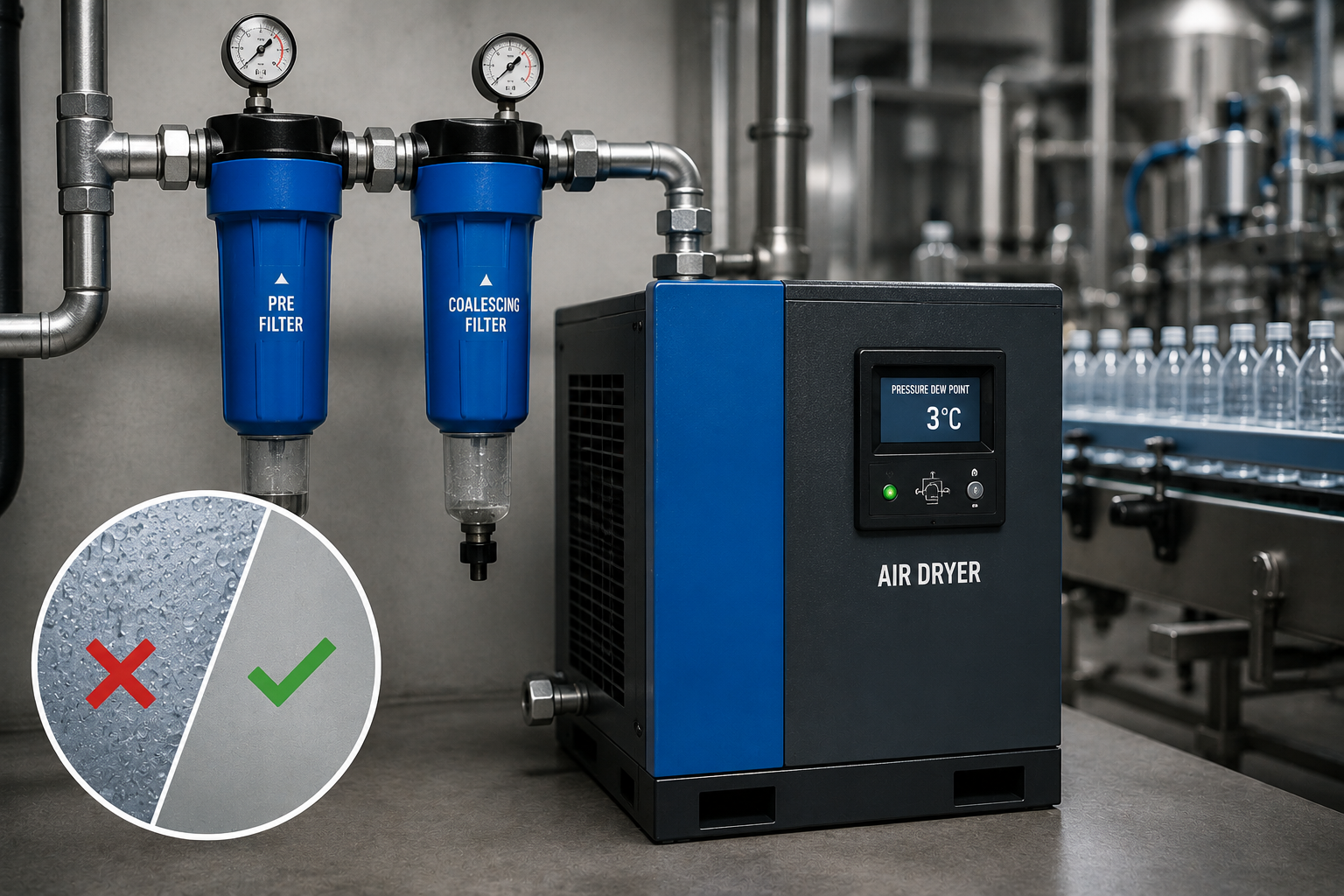
Temperature control is also vital for the health of your air tools. Compressed air gets very hot, which can damage hoses and internal seals. Quality portable units include aftercoolers to drop the temperature before the air leaves the machine. This prevents moisture from building up in your lines. Moisture is the enemy of pneumatic tools because it causes rust and freezing in the winter. For sites that face especially wet or cold conditions, pairing your compressor with a desiccant air dryer provides an extra level of protection by removing moisture from the air supply before it ever reaches your tools. By choosing a unit with a good cooling system and the right drying equipment, you protect your investment in expensive hand tools.
Smart Technology and Digital Controls
The newest compressors on the market include digital displays. These screens show you real-time data about oil pressure, fuel levels, and engine temperature. Consequently, your operators can spot a small problem before it becomes a major engine failure. Some units even have remote monitoring. This allows you to track your equipment from an office or a smartphone. It is a great way to manage a fleet of machines across multiple sites.
Reliability is the most important trait for any piece of site equipment. When the compressor stops, the work stops. That is why we focus on brands with a proven history of performance. You should always ask about the warranty and the availability of spare parts in your region. If you need a hand picking the right model, feel free to visit our site to see the latest options. Our team is here to help you power your site with the best technology available.
Frequently Asked Questions
How do I know what size compressor I need? To find the right size, you must add up the air requirements of all tools you use at once. Our team recommends adding a twenty percent safety margin to that total. This ensures your machine does not struggle during peak work times.
What is the difference between PSI and CFM? CFM measures the volume of air, while PSI measures the pressure or “push” behind that air. You need enough CFM to keep the tool moving and enough PSI to give it the strength to do the job.
Can I use a portable diesel compressor in the winter? Yes, but you should look for units with cold-start kits and heavy-duty batteries. Additionally, using an aftercooler helps prevent moisture from freezing inside your air hoses during cold Canadian winters.
How often should I service my diesel compressor? Most manufacturers suggest a basic service every 250 to 500 hours. This usually includes changing the oil and checking the air filters. Consistent maintenance prevents expensive engine damage and keeps the machine running longer.
Are diesel compressors better than electric ones for job sites? Diesel units are usually better for remote sites because they do not need a power grid. They offer more mobility and can be towed anywhere your truck can go. This makes them the standard choice for roadwork and new construction.
If you have more questions about air power, our team is ready to assist. We have years of experience helping local businesses find the right tools for their unique challenges. Our staff understands the demands of the industry and the importance of keeping your project on schedule. For more information on our current inventory and services, please reach out to us today.