
Choosing the right glass for your windows can make a major difference in comfort, energy savings, and even safety. Calgary’s unique climate makes this decision especially important. We experience freezing winters, strong winds, and periods of intense sunlight, so the right glass type can protect your home from both cold and heat while improving its overall performance.
In this guide, we’ll look at what types of glass work best for Calgary homes, how each option affects comfort and efficiency, and what practical details to consider before making your decision.
Understanding Calgary’s Climate and Why Glass Type Matters
Living in Calgary means dealing with temperature swings that range from deep cold to sudden warmth. Because windows represent one of the biggest energy exchange points in a home, the right glass can control how much heat enters and escapes.
The main challenge in Calgary is retaining warmth during winter while reducing unwanted solar gain in summer. That’s why glass type selection isn’t just about looks or price. It’s about long-term comfort, durability, and energy management.
We always recommend thinking of your windows as part of your home’s overall insulation system. The glass, frame, and installation all work together to control the indoor environment and your energy costs.
Low-E Glass for Energy Efficiency
Low-emissivity (Low-E) glass has a microscopic coating that reflects heat while letting natural light in. This technology helps balance temperature throughout the year.
In winter, the coating reflects indoor heat back into your living space instead of allowing it to escape. During the summer, it reduces the amount of solar radiation entering your home. The result is a more stable indoor temperature and reduced pressure on your heating and cooling systems.
There are two main types of Low-E coatings: soft-coat and hard-coat. Soft-coat Low-E glass provides better insulation performance, while hard-coat Low-E glass is more durable and often recommended for exterior panes in extreme climates.
For Calgary homes, a double-pane setup with soft-coat Low-E on the inside surface typically offers the best balance between insulation and sunlight control.
If you’re thinking about upgrading or replacing old windows, you can learn more about available options for windows replacement in Calgary.
Double-Pane vs. Triple-Pane Glass
When it comes to window performance, the number of glass panes matters.
Double-pane windows are made up of two layers of glass separated by a sealed air space. This air space, often filled with argon gas, provides a barrier that slows heat transfer.
Triple-pane windows add another layer of glass and an additional air or gas space, offering even better insulation. They are particularly effective for Calgary’s long winters, reducing condensation and noise while improving comfort near windows.
Triple-pane glass costs more upfront but can lead to noticeable energy savings and improved comfort over time. Homes located in open or windy areas often benefit the most because of the added protection and warmth.
When making your choice, consider your home’s exposure. South-facing rooms might need better solar control, while north-facing ones may require higher insulation.
The Role of Gas Fills
Most modern insulated glass units are filled with argon or krypton gas between the panes. These gases are denser than air and provide better thermal resistance.
Argon is the most common choice because it’s affordable and effective. Krypton offers higher performance, but it’s usually reserved for triple-pane windows due to its cost.
For most Calgary homeowners, argon-filled double or triple panes deliver excellent energy efficiency without overpaying for minor gains. Just ensure that the gas seal is high quality. Over time, poor seals can lead to leaks that reduce insulation performance.
Tinted and Reflective Glass for Sun Control
Sunlight in Calgary can be intense, especially during the summer months or in homes with large south- or west-facing windows. While natural light is valuable, too much direct sun can lead to glare and heat buildup.
Tinted or reflective glass can reduce the amount of visible light and infrared heat that enters your home. Tints come in shades such as gray, bronze, or green and can help balance interior comfort.
For homeowners who value views but still want protection from heat, a light gray or neutral tint often works best. Reflective coatings can also add privacy during daylight hours, although they reduce natural light slightly more than tints.
When combining tinted glass with Low-E coatings, choose options that complement each other rather than duplicate effects. Your window supplier or installer should help you match coatings to ensure both clarity and efficiency.
Laminated and Tempered Glass for Safety
Beyond energy performance, glass type also plays a role in safety and security.
Tempered glass is heat-treated to be several times stronger than regular glass. When it breaks, it crumbles into small, less dangerous pieces instead of sharp shards. It’s ideal for large windows, patio doors, and areas close to the floor.
Laminated glass consists of two layers of glass bonded by a plastic interlayer. It holds together even when shattered, offering better sound insulation and added security. Laminated glass can also block nearly all UV radiation, protecting furniture and floors from fading.
In Calgary, laminated glass is often used for ground-floor windows and in homes where extra noise protection or safety is desired. Some homeowners combine laminated outer panes with Low-E coatings on the inner surface to achieve both strength and energy efficiency.
UV Protection and Furniture Preservation
Calgary’s sunlight can be deceiving. Even on cold days, UV rays penetrate windows and fade fabrics, flooring, and artwork. Over time, this can cause visible damage.
Glass with UV-filtering coatings or laminated interlayers blocks most harmful UV rays while maintaining clear views. It’s a small investment that protects long-term comfort and appearance.
If your living room or office has direct sunlight for much of the day, it’s worth adding this protection. Some Low-E glass types already provide strong UV resistance, so you may not need an additional layer.
Noise Reduction Glass Options
Homes near busy roads, train tracks, or active neighborhoods can benefit from sound-reducing glass. Acoustic glazing combines thicker glass panes or laminated interlayers to dampen noise transmission.
Triple-pane windows naturally offer better sound control than double-pane models, but acoustic glass can make a significant difference even in a two-pane configuration.
For maximum quiet, combining laminated glass with argon-filled triple panes creates one of the most effective noise barriers. This is especially useful in Calgary communities near major routes or for bedrooms facing the street.
The Importance of Professional Installation
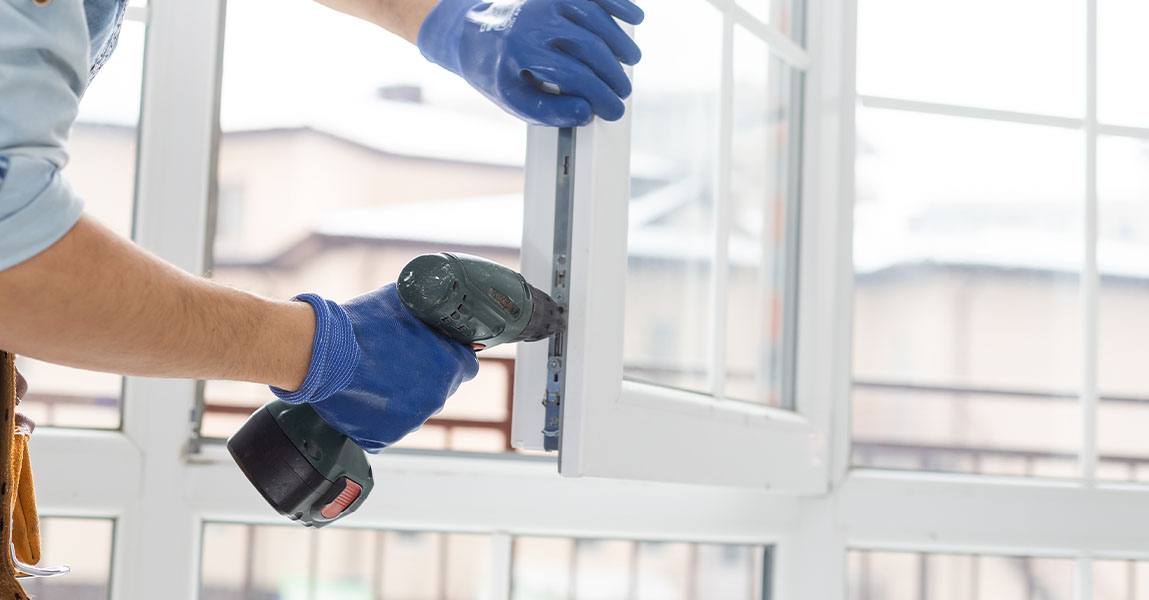
Even the best glass cannot perform properly if the window isn’t installed correctly. A small gap or weak seal can undo the benefits of advanced glass technology.
Proper installation ensures that the window frame is square, sealed, and insulated. It also maintains the manufacturer’s warranty and helps prevent future air leaks or condensation problems.
When selecting your window contractor, look for experience with Calgary’s climate and local building standards. The combination of high-quality glass and skilled installation determines the overall performance of your windows.
For homeowners planning an upgrade, it’s worth visiting windows replacement in Calgary to explore materials and design options suited to different home styles.
Balancing Cost and Long-Term Value
Selecting the right glass type involves balancing upfront cost with long-term savings. Triple-pane Low-E glass may cost more initially, but the reduced energy loss often pays back the investment over time through lower heating bills.
In general, we recommend focusing on the glass specifications that matter most for your daily comfort rather than chasing the highest-rated option available. For many Calgary homes, double-pane Low-E glass with argon gas strikes an ideal balance between cost, performance, and clarity.
Still, if your goal is maximum comfort and quiet, triple-pane or laminated combinations might be worth the additional cost.
Maintenance and Longevity
Modern insulated glass requires little maintenance, but a few simple habits help preserve its efficiency.
Keep the window seals and frames clean, avoid using harsh chemicals on glass coatings, and check for condensation between panes. Persistent fogging can indicate a broken seal, which should be repaired or replaced promptly.
Regular cleaning with mild soap and water maintains both the glass appearance and its performance. Avoid high-pressure washing, as this can weaken seals over time.
With good care and proper installation, quality glass can easily last 20 years or more before needing replacement.
A Practical Tip Most People Miss
One often-overlooked factor when selecting glass is orientation. South- and west-facing windows experience the most sunlight, while north-facing ones lose the most heat.
You can tailor your glass type by direction instead of using the same across all windows. For instance, choose a stronger Low-E coating on south-facing windows for better solar control and a higher insulation value on north-facing ones for heat retention.
This strategy can improve comfort and efficiency without increasing costs significantly. It requires a bit more planning but delivers noticeable results in Calgary’s variable weather.
Taking the Next Step
If you’re considering an upgrade or new installation, it’s best to discuss your specific goals with a professional who understands local conditions. Whether you want to improve comfort, lower energy bills, or increase safety, the right combination of glass types can achieve that.
To explore options or get an estimate for your project, you can contact us and discuss your home’s unique needs.
FAQ
What is the best glass type for Calgary’s climate?
Low-E double or triple-pane glass with argon gas fill usually performs best. It balances warmth retention and solar control.
Is triple-pane glass worth it in Calgary?
Yes, especially for homes exposed to wind or noise. Triple-pane glass improves insulation, reduces condensation, and increases comfort.
Can tinted glass affect indoor lighting?
Slightly. Lighter tints reduce glare without making rooms too dark. Choose shades that suit your natural lighting preferences.
How long does window glass last?
With proper installation and maintenance, most high-quality insulated glass units last around 20 to 25 years.
Does Low-E glass block UV rays?
Yes. Most Low-E coatings block a significant portion of UV radiation, protecting furniture and fabrics from fading.