
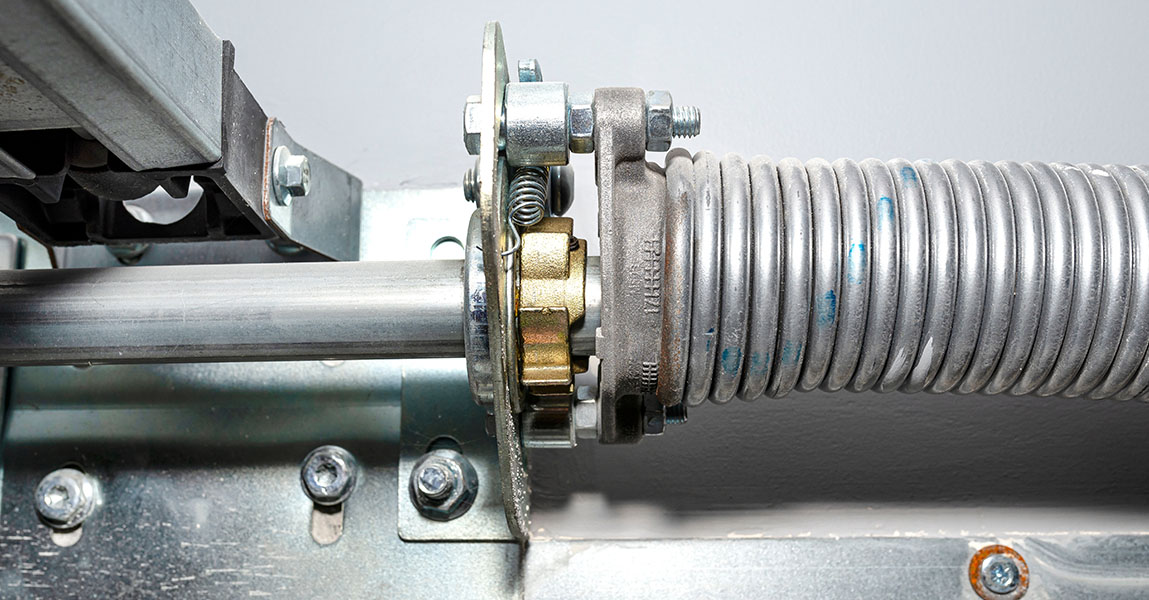
Installing new garage door springs demands careful preparation because every part of the system depends on balance, alignment, and proper tension. Garage Door Repair Calgary-True Fix Garage Doors handles this process with precision, and preparing the system correctly keeps the work smooth and safe. Moreover, each step strengthens long-term performance and reduces strain on connected components. This guide explains how to get your system ready and how essential tasks relate to safety and stability.
Understanding the Role of Springs in System Balance
Springs carry most of the lifting weight, and they allow the door to move smoothly. However, cables, tracks, rollers, and hinges must all support the springs consistently to avoid future problems. That is to say, your preparation should start with a full understanding of how each part contributes to balance. When tension is correct, all components work together without noise or wobbling.
Garage Door Cable Repair plays an important part in this stage, and you should check the cable system for fraying or slack.. After that, look over the pulleys and drums to confirm there are no bends or cracks. If cables slip or stretch, new springs cannot operate as expected.
Inspecting Door Panels and Hardware Before Installation
Start by examining every panel for dents or gaps because structural issues weaken the entire door. In addition, loose bolts or shifting hinges force the springs to absorb more pressure than they should. Therefore, you must tighten all hardware before beginning any spring installation.
Next, lift the door manually to feel how evenly it moves. If weight distribution feels uneven, you should focus on hinge alignment during the preparation stage. Similarly, rollers should glide without friction, and misaligned tracks can create resistance that damages new springs. Consequently, you should clean the track surface and remove debris that causes binding.
Checking Track Alignment and Rollers for Smooth Movement
Proper alignment makes the entire process safer because it reduces strain on the spring system. Moreover, tracks must sit at equal distances on both sides so the door can rise without jerking. During this check, look at the brackets and confirm everything sits flush against the frame.
Clean rollers with a dry cloth, and apply a suitable lubricant afterward to promote smooth motion. Likewise, look for flat spots on the rollers because these cause shaking during operation. If any rollers wobble, replace them before installing new springs to avoid uneven pressure across the system. Further, ensure the bottom brackets feel secure, as these connect directly to the cable system and influence spring tension.
Ensuring Safety Precautions Before Handling Springs
Safety preparation must happen early because springs store substantial energy. Most importantly, disconnect power to the opener to keep the system from engaging unexpectedly. In addition, clamp locking pliers onto the track so the door will not slide while you work.
Wear protective eyewear and gloves to reduce risk, and confirm that ladders or step stools feel steady. Likewise, look over the torsion bar or extension shaft to ensure they are free of rust. Rust weakens metal and increases the chance of snapping during tension adjustments. To clarify, safe preparation supports accurate installation and better long-term performance.
Preparing the Cable and Drum System for New Spring Tension
Your cable and drum setup must be in excellent condition before installing new springs. For instance, inspect the drum edges for sharp wear that might damage a new cable. Furthermore, check the set screws for tightness, as loose screws cause cables to unravel when tension increases.
Look closely at the cable path to confirm it sits straight and free of twists. Misrouting increases friction, and friction reduces spring consistency over time. Most importantly, your cable system must match the strength of the new springs. If you need help, Garage Door Repair Calgary-True Fix Garage Doors can evaluate the parts and offer guidance tailored to your door style.
Testing Door Balance and Manual Lift Before Installation
Door balance testing happens after completing track, hardware, and cable checks. Lift the door slowly and watch how it moves. If the door rises crookedly, that is a signal that adjustments are still needed. Likewise, if one side feels heavier, verify the cable tension carefully before moving forward.
A balanced door reduces stress on the new springs. For example, when both sides carry equal weight, spring tension stays stable during daily use. After that, close the door again and test the opener cord to make sure manual operation feels smooth. If anything drags or sticks, you should resolve it before mounting the new springs.
Preparing the Work Area and Gathering Proper Tools
A clean workspace makes spring installation safer. You should remove clutter around the garage door area and position tools where you can reach them easily. Moreover, installing springs requires winding bars, secure wrenches, and stable ladders. Ensure everything meets safety standards.
Set aside replacement hardware such as bolts or brackets in case anything needs reinforcement. In other words, stay ready for small repairs that improve stability. Likewise, move vehicles out of the garage so you have enough room to work comfortably. This preparation reduces mistakes and improves workflow.
When to Call Experts for Support
Some homeowners feel comfortable preparing the system on their own. However, spring installation is a precise and physically demanding job. Most importantly, the level of tension involved makes professional guidance essential for protection and accuracy. Garage Door Repair Calgary-True Fix Garage Doors can complete safety checks, balance testing, and cable evaluations using proper tools and experience.Contact us if you want help or want to schedule service.
FAQ
How often should homeowners check garage door components before replacing springs
Regular seasonal checks help you identify cable wear, track alignment problems, and hardware issues before they affect the new springs.
What signs mean the door is not properly balanced
If the door lifts unevenly, feels heavy, or slides down after being raised, these are signs of balance problems that should be fixed before installing new springs.
Why do cables matter when preparing for spring installation
Cables support the lifting force created by new springs, and worn cables reduce stability. Proper cable setup ensures smooth door movement.
Can homeowners prepare the system on their own safely
Many basic tasks like tightening hardware or cleaning tracks are manageable, but handling springs requires caution and professional skill.
When should homeowners call a professional instead of preparing the system alone
If you notice frayed cables, misaligned tracks, or feel uncertain about tension adjustments, professional support is the safest and most effective option.