
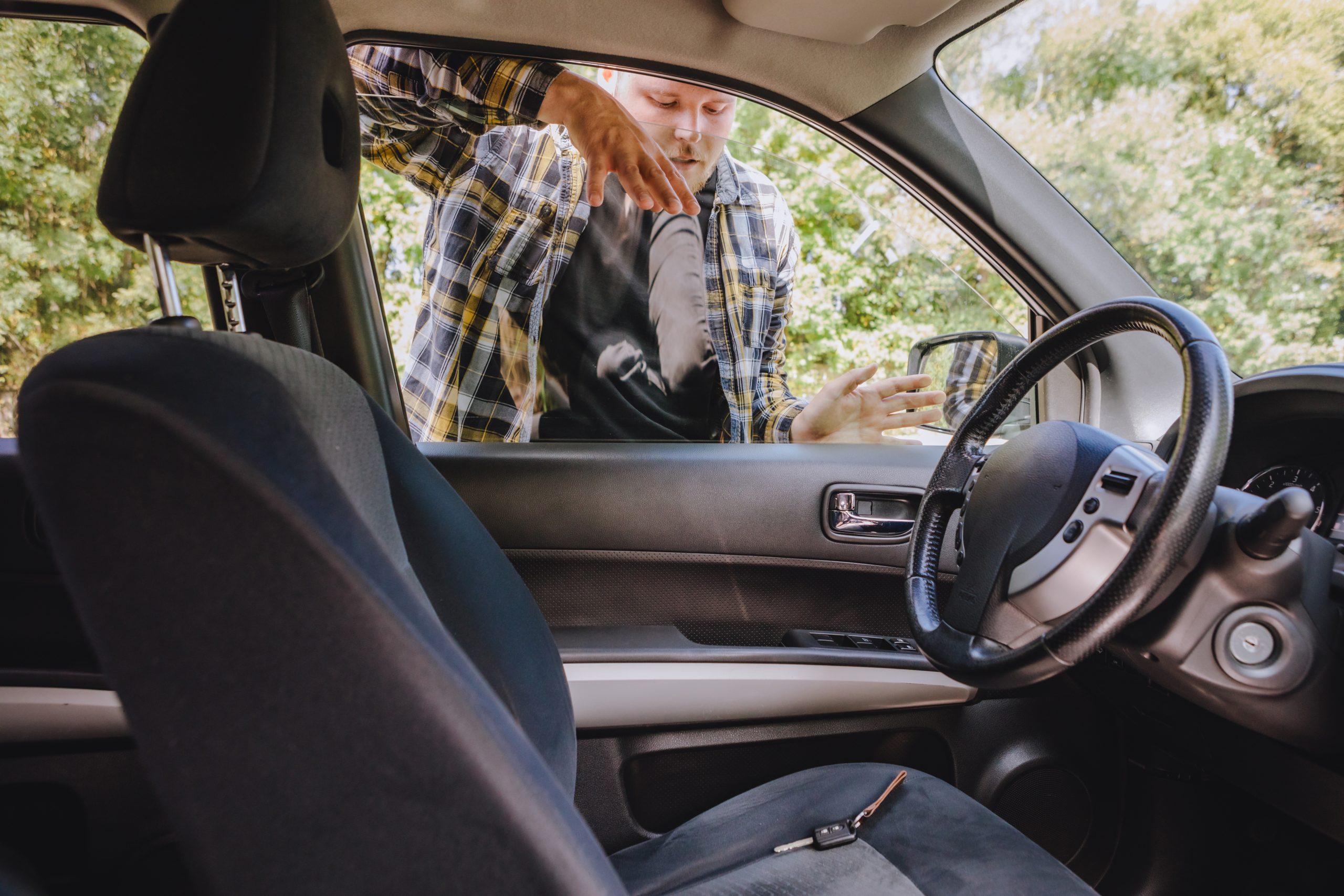
When a car key breaks inside the lock or ignition, the situation can turn stressful fast. Whether you are late for work, parked in a busy area, or simply trying to get home, a snapped key can stop everything. The good news is that it is usually possible to remove the broken piece safely, with or without professional help. In this guide, we will walk through practical methods to handle the problem, prevent damage, and know when to call an expert.
Understanding Why Keys Break
Keys are built for daily use, but over time, they weaken. Most car keys snap because of metal fatigue, worn edges, or internal resistance in the lock. Dirt, rust, or lack of lubrication inside the cylinder can also increase friction. When that happens, the key bends slightly every time it is turned. Eventually, it gives way.
Modern keys with electronic chips or fobs are especially vulnerable if used roughly. Twisting or forcing them into the ignition when the steering wheel is locked can easily cause a break. Regular inspection of your key for cracks or bends can prevent this issue.
Immediate Steps After the Key Breaks
When a key breaks, many drivers panic and try to pull the broken piece out quickly. This can make things worse. The first step is to stop and assess the situation. Look closely to see where the break occurred. If part of the key is still visible, there is a good chance you can remove it without major tools.
Turn off the car completely before doing anything else. If the key broke while the engine was running, do not try to restart or move the car. It can damage the ignition cylinder or the internal wafers that read the key shape.
Using Tools You Already Have
You might be able to remove the broken piece without special locksmith tools. Start by spraying a small amount of lubricant, such as WD-40 or graphite spray, into the keyhole. This helps loosen dirt and reduce friction. Do not flood the area—just a quick spray is enough.
If part of the key is sticking out, use tweezers or small needle-nose pliers to pull it gently. Avoid gripping too hard because that can push the fragment deeper. Slow, steady pressure works best. Move slightly side to side to free it if it feels stuck.
When nothing is visible, try using a thin piece of wire or a bobby pin. Slide it along the edge of the broken key, aiming to hook the teeth and pull it out. Patience is crucial here. Rushing will only cause damage to the lock.
Using a Key Extractor Tool
If household tools fail, a key extractor is the next option. These slim, ridged tools are designed to grab the grooves of the broken key and pull it out without harming the lock. You can find them in hardware stores or order them online.
To use one, insert it carefully into the keyway alongside the broken key. Twist slightly to catch the edge, then pull slowly. Sometimes, it takes a few attempts to get the right grip. A good extractor will catch on the teeth of the key, making removal smooth and controlled.
It is important not to force the tool in or out. Locks have delicate internal pins that can bend or break under pressure. If the tool does not catch after several tries, it is safer to stop than risk damaging the ignition.
When the Key Breaks in the Ignition
Removing a broken key from an ignition is harder than from a door. The ignition cylinder is more complex and sensitive. Never insert another key to try to push the broken piece out. That can wedge it deeper.
Start by disconnecting the car battery for safety. Spray a small amount of lubricant and wait a few minutes. Use the same wire or extractor technique, but with extra caution. Keep your hand steady and avoid twisting motions.
If you feel resistance or cannot reach the fragment, it is time to contact a professional. A trained technician can remove the broken piece and check for internal damage. You can reach an experienced automotive locksmith in Calgary for fast and safe help with both car door and ignition extractions.
Avoiding Further Damage
A broken key might seem like a small problem, but forcing removal can turn it into an expensive repair. Damaged locks or ignitions often need replacement, especially if metal filings get stuck inside.
Use clean tools, work in good lighting, and never use glue or adhesives. While online guides sometimes suggest super glue, it almost always makes the situation worse. The glue can bond to the cylinder and permanently seal the fragment inside.
If you are in doubt, it is always cheaper and safer to get professional assistance early.
How Professionals Remove Broken Keys
Locksmiths use specialized tools and techniques that go beyond basic extractors. They begin with inspection, often using magnification to see how the key broke. If the key is deep inside, they might use a tension wrench to align the internal pins and make extraction easier.
For electronic or smart keys, professionals also check the transponder chip. Sometimes, the chip is part of the broken section, meaning the car will not start even after removal. In those cases, reprogramming or a new key cut is necessary.
A trained locksmith also cleans and lubricates the lock afterward. This prevents the same problem from happening again. Some even reshape or smooth out the internal wafers to restore easy turning.
Preventing Future Breaks
Prevention is easier than dealing with a broken key. Start by checking your key regularly. If it feels rough when turning, do not ignore it. It could be the first sign of internal wear. A locksmith can rekey or repair the cylinder before it fails.
Avoid hanging heavy keychains that add strain when the key is in the ignition. The extra weight wears down the tumblers inside over time. Also, keep locks clean. Dust and moisture build up over months, especially during Calgary winters, causing resistance that leads to breakage.
If your key bends even slightly, replace it immediately. Metal fatigue worsens fast, and one wrong turn can snap it.
When to Replace the Ignition or Lock
If keys break repeatedly or the lock feels stiff even after cleaning, the issue may lie inside the mechanism itself. Car ignitions wear down like any mechanical part. Old or corroded tumblers can grab onto the key, increasing the chance of snapping.
A professional can inspect the cylinder and determine if rekeying or full replacement is needed. Rekeying involves changing the internal pins so that a new key fits. Full replacement is usually necessary if the internal components are cracked or warped.
It is a good opportunity to get a spare key made as well. Having a spare can save you from future lockouts and prevent the need to use a worn or bent key again.
Why DIY Solutions Can Backfire
Online videos make key removal look simple, but real situations are rarely that clean. Ignition systems differ from one vehicle to another, and the wrong tool can easily cause damage. Modern cars also include immobilizer systems that can lock up the ignition electronically if tampered with.
Many drivers end up paying more for repairs after unsuccessful DIY attempts. What could have been a quick extraction turns into a full ignition replacement. Knowing your limits is an important part of solving the problem efficiently.
If you are unsure or the key is lodged deep, it is best to contact us for immediate assistance. Professional help can save both time and money while preventing further damage to your vehicle.
Keeping a Spare Key Secure
Once the problem is resolved, take a few steps to prevent a repeat. Always store a spare key in a safe place outside your car. Avoid hiding it under the vehicle or inside the bumper, as thieves often check those spots first.
A better option is a small magnetic box placed in a discreet but accessible location, such as under a protected area of the frame. Another reliable method is giving a spare to a trusted friend or family member who lives nearby.
This small preparation can turn a stressful day into a minor inconvenience if it ever happens again.
Tips for Cold Weather
Cold temperatures can make keys and locks more fragile. Metal contracts in the cold, which increases tension when turning the key. Always warm up the lock before inserting the key if it is freezing outside. Holding your key in your hands for a few seconds or using a lock de-icer can make a big difference.
Avoid pouring hot water on frozen locks, as it can refreeze quickly and cause rust later. Instead, use a proper lock lubricant to keep moisture out. Calgary’s climate makes this especially important in winter months.
The Role of Regular Maintenance
Just like tires and brakes, locks need care too. A yearly inspection can keep your car’s locking system working smoothly. Light lubrication and cleaning remove buildup that causes keys to stick or break.
Professional locksmiths often offer maintenance checks as part of broader car security services. These inspections can also reveal signs of attempted theft or tampering that you might not notice.
Spending a few minutes maintaining your locks can prevent breakdowns and ensure reliability when you need it most.
FAQ
1. What should I do if my key breaks while the car is still running?
Turn off the engine immediately if it is safe to do so. Do not try to restart the car or remove the broken piece while it is hot. Wait for the parts to cool before attempting extraction.
2. Can I still drive if half the key is stuck in the ignition?
No. Driving with a broken key can damage the ignition and make future repairs more expensive. It is best to stop and address the problem before starting the vehicle again.
3. Is it safe to use glue to pull out the broken key?
No. Glue can stick to the internal pins and permanently damage the lock. Always use mechanical extraction tools or call a locksmith instead.
4. Why does my car key keep breaking?
Repeated key breaks usually mean the ignition or lock is worn out. Constant friction weakens both the key and the lock. Replacing or rekeying the cylinder can solve the problem.
5. How can I avoid this in the future?
Inspect your keys regularly, replace worn ones, keep locks clean, and avoid heavy keychains. Regular maintenance is the simplest way to prevent another break.