
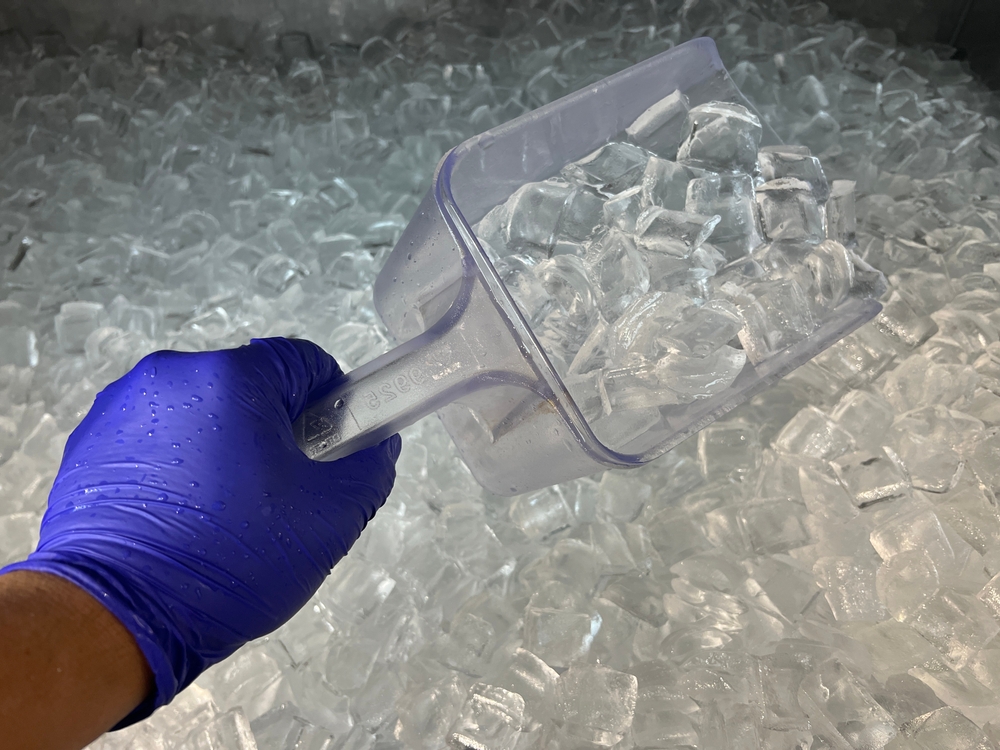
Few kitchen frustrations sneak up on a household quite like an ice maker that quietly stops working. One week the bin is full, and the next you are reaching in to find nothing but a thin, hollow shell of old cubes. Because an ice maker runs in the background, most St. Albert families do not notice a problem until the ice is already gone. The good news is that most ice maker failures come down to a handful of predictable causes, and many of them are worth understanding before you decide whether to troubleshoot or call for professional fridge repair in St. Albert.
At JAY Appliance Repair, our technicians see the same ice maker issues over and over across St. Albert homes, from garage refrigerators to high-end French-door models. This guide walks through what usually goes wrong and how to tell a quick fix from a repair that needs a certified hand.
How a Modern Ice Maker Actually Works
An automatic ice maker is a small system with several parts that must all cooperate. Water travels through a supply line to a water inlet valve, fills a mould, freezes, and then a small motor and heater release the cubes into the bin. A sensor arm or infrared beam tells the unit when the bin is full so it knows to stop. When any single link in that chain fails, the whole cycle stalls, which is why a "dead" ice maker rarely has just one possible cause.
The Most Common Reasons Ice Stops
A Frozen or Kinked Water Line
The most frequent culprit is the thin water supply line freezing solid. In St. Albert, refrigerators pushed against exterior kitchen walls or parked in cold garages are especially prone to this. If water cannot reach the mould, no ice forms, even though the rest of the appliance seems perfectly healthy. A frozen line usually means the freezer is running colder than it should, or the line itself is routed through a cold spot.
A Faulty Water Inlet Valve
The inlet valve opens to let water in on each cycle. Over time, mineral deposits from hard water can clog it, or the valve’s electrical solenoid can simply wear out. When this happens, you often get partial cubes, very small cubes, or nothing at all. A failing valve is one of the more common parts we replace during refrigerator visits.
A Clogged or Overdue Water Filter
A refrigerator water filter that has not been changed in six months or more can restrict flow enough to starve the ice maker. This is one of the few fixes a homeowner can often handle alone. If your fridge dispenses water slowly too, the filter is a strong suspect.
The Ice Maker Assembly Itself
The motor, mould heater, thermostat, and control module inside the ice maker can all fail individually. When the internal components give out, the unit may click, hum, or do nothing. At this point, replacing or repairing the assembly is usually the right move, and it is worth having a technician confirm the diagnosis before ordering parts.
Quick Checks Before You Call
There are a few safe things any St. Albert homeowner can try first. Confirm the ice maker’s on/off arm or switch has not been bumped into the off position. Make sure the freezer is set cold enough, generally around minus eighteen degrees Celsius, because a warm freezer will not freeze cubes quickly. Check that the water filter is current and that the supply line behind the fridge is not visibly kinked. If you suspect a frozen line, unplugging the unit for a few hours can sometimes thaw it, though the problem often returns if the underlying cold spot is not addressed.
When to Bring in a Professional
If the basics check out and ice still is not forming, the issue usually lives inside the sealed system or the electrical components, which are not DIY territory. Diagnosing a bad inlet valve, a failed control board, or a leaking line safely takes proper tools and training. Our licensed technicians handle these repairs across St. Albert and surrounding areas, and you can book an appliance repair visit when you would rather have it done right the first time. JAY Appliance Repair works on all major brands, including LG, Samsung, Whirlpool, and Sub-Zero.
Preventing the Next Ice Maker Failure
A little maintenance goes a long way. Replace your water filter on schedule, keep the freezer at the manufacturer’s recommended temperature, and avoid packing food tightly against interior vents where cold air circulates. If your refrigerator lives in a garage or against a cold wall, keeping the surrounding area a touch warmer can prevent the supply line from freezing during Alberta’s colder months.
Frequently Asked Questions
Why is my ice maker making hollow or small cubes?
This almost always points to restricted water flow, usually from a clogged filter, a partially frozen line, or a failing inlet valve that is not letting enough water into the mould.
How long should a refrigerator take to make ice after a reset?
Most units need roughly twenty-four hours to fill the bin again after being reset or after the freezer returns to temperature. If a full day passes with no ice, it is time to investigate further.
Can a dirty condenser affect the ice maker?
Yes, indirectly. Dusty condenser coils make the whole refrigerator work harder and can raise freezer temperatures, which slows or stops ice production. Cleaning the coils is good routine care.
Is a broken ice maker worth repairing?
In most cases, yes. The ice maker is a component, not the whole fridge, so repairing or replacing the assembly is usually far more sensible than buying a new refrigerator. A technician can confirm the best option for your model.
Who should I call for ice maker repair in St. Albert?
You can reach the JAY Appliance Repair team to schedule a diagnostic. Our certified technicians service St. Albert and nearby communities, working on all makes and models.