
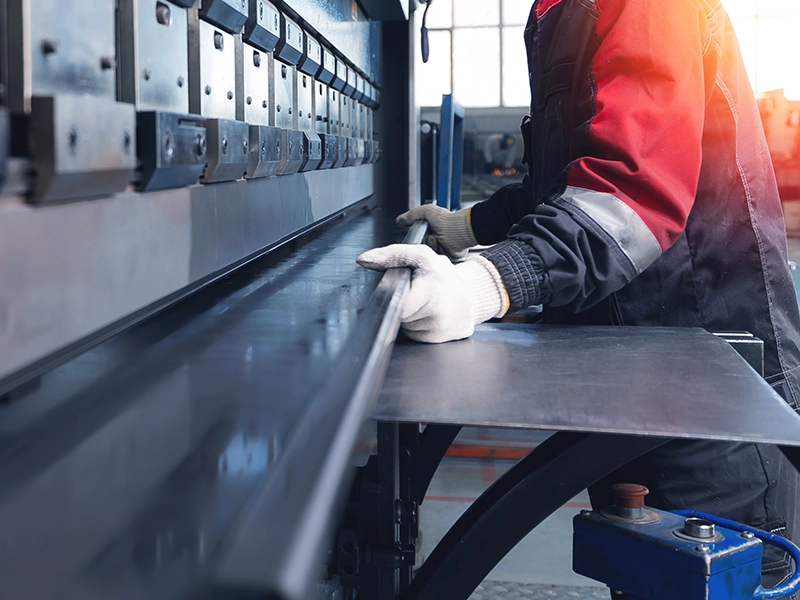
Metal fabrication projects in Toronto rely on a wide range of metals, each selected for its unique balance of strength, appearance, and cost. Every project has different priorities—some need corrosion resistance, others demand light weight or precise machining. Understanding which metal suits each purpose helps us plan better, reduce waste, and ensure long-term reliability in the finished work.
Structural Steel
Steel is the backbone of modern construction and fabrication. It is strong, widely available, and easy to shape into beams, frames, and supports. Its versatility makes it ideal for everything from heavy industrial machinery to architectural frameworks across Toronto.
The key advantage of structural steel lies in its uniform strength and ability to handle both tension and compression. This balance allows us to design complex structures with predictable performance. Steel is also highly recyclable, which supports sustainability goals that many Toronto contractors now prioritize.
To prevent rust and weather damage, fabricated steel is often coated or galvanized. In outdoor projects, adding a protective finish helps extend its life even in harsh Canadian weather. For more information about local fabrication services, explore metal fabrication in Toronto.
Stainless Steel
Stainless steel is a top choice when durability and appearance matter equally. It contains chromium, which forms a thin protective layer on the surface that resists rust and corrosion. This makes it ideal for food processing plants, commercial kitchens, public installations, and outdoor designs exposed to moisture or salt.
Different grades of stainless steel serve different needs. For example, 304 stainless is common for indoor or mild environments, while 316 stainless is preferred in coastal or chemical-heavy areas because it withstands chloride exposure.
When working with stainless steel, precision cutting and welding are essential. Overheating during fabrication can compromise its corrosion resistance. Proper temperature control and polishing help maintain its clean, reflective finish.
Aluminum
Aluminum stands out for its light weight and natural resistance to corrosion. It is non-magnetic, conducts heat well, and is easy to machine. Many Toronto fabrication projects, such as vehicle components, signage, and exterior architectural panels, use aluminum for these reasons.
Although aluminum is not as strong as steel, its low density gives it an excellent strength-to-weight ratio. This makes it valuable in transportation and aerospace manufacturing where weight reduction directly improves efficiency.
It is also highly recyclable and requires far less energy to remelt than to extract from ore. This makes aluminum a smart environmental choice for large-scale fabrication projects focused on sustainability.
Carbon Steel
Carbon steel is among the most common materials used in fabrication. It offers excellent strength and affordability, making it suitable for large industrial projects where cost and durability both matter. The carbon content determines its hardness and strength—mild steel has less carbon and is easier to weld, while high-carbon steel is harder but more brittle.
This metal is easy to machine and shape, which makes it a good option for brackets, frames, and base components. However, without protective coatings, it rusts quickly when exposed to moisture. Painting or powder coating adds both aesthetic appeal and corrosion resistance.
For fabrication projects requiring a balance of toughness and cost efficiency, carbon steel often delivers the best value.
Copper
Copper offers a distinct reddish tone and exceptional electrical and thermal conductivity. It is one of the most reliable materials for electrical fabrication, plumbing, and decorative design. While it is more expensive than steel or aluminum, its natural corrosion resistance and visual appeal justify the cost in specialized applications.
Over time, copper develops a patina—a greenish layer that forms when the surface oxidizes. This natural process not only protects the underlying metal but also adds an attractive aged look appreciated in architecture and design.
Because copper is soft and malleable, it requires careful handling to avoid warping during cutting and forming. Its high thermal conductivity also means it cools quickly, so proper temperature management during welding is important.
Brass
Brass, an alloy of copper and zinc, combines strength with an elegant appearance. It is frequently used for decorative panels, fixtures, and architectural accents. Its golden color and smooth surface make it easy to polish and maintain.
It is also known for its excellent machinability and resistance to corrosion, especially in humid environments. Brass is non-sparking and antimicrobial, which adds value in public and sanitary installations. Although softer than steel, it performs well in parts that require both form and function.
Titanium
Titanium is a premium choice when both strength and corrosion resistance are non-negotiable. It is lighter than steel but stronger than aluminum, and it resists damage from chemicals and salt water. These qualities make it valuable in aerospace, medical, and marine fabrication.
However, titanium is more difficult to machine and weld. It requires specialized tools and experience to shape without compromising its structure. Because of its cost, it is often reserved for projects where performance outweighs price.
Using titanium effectively means planning carefully to minimize waste, since each cut and weld must be precise.
Galvanized Steel
Galvanized steel provides the strength of regular steel with a protective zinc coating that resists corrosion. This combination makes it ideal for outdoor projects such as gates, fences, supports, and HVAC ducting.
The galvanization process creates a barrier between the steel and the environment, extending the lifespan of the metal even under wet or snowy conditions. The rougher matte finish also improves paint adhesion when a specific color or design is needed.
For fabricators in Toronto dealing with constant temperature changes and humidity, galvanized steel offers an affordable and durable option.
Tool Steel
Tool steel is designed for extreme hardness and wear resistance. It is used to make tools, dies, and molds that must maintain sharp edges under heavy stress. It handles heat and friction better than most other metals, which makes it essential in manufacturing operations that involve shaping or cutting other materials.
Its main drawback is cost and complexity. Tool steel requires precise heat treatment to reach its full potential. If treated incorrectly, it can become brittle or lose hardness. However, when handled correctly, it provides years of dependable performance even in demanding applications.
Cast Iron
Cast iron is a traditional material known for its compressive strength and vibration absorption. It is widely used in machine bases, heavy supports, and decorative architectural elements. Its high carbon content makes it strong but brittle, so it performs best in parts that experience little bending or impact.
Its rough texture and ability to retain heat also make it popular in cookware and ornamental pieces. In fabrication, it remains valuable for projects that benefit from its rigidity and durability.
Choosing the Right Metal
Every fabrication project in Toronto requires balancing performance, cost, and maintenance. Choosing the right metal starts with understanding the environment, load demands, and desired appearance.
Indoor components can rely on uncoated carbon steel or mild steel, while outdoor structures need corrosion-resistant options like stainless or galvanized steel. Lightweight projects benefit from aluminum, while high-strength or precision parts may justify the use of titanium or tool steel.
It is often useful to consider future repairs and adjustments. Metals that are easy to weld or machine simplify long-term maintenance. When we plan projects this way, the result not only performs well on day one but continues to serve reliably for decades.
If you are planning a fabrication project and want to discuss the right material for your design or budget, you can contact us for practical guidance based on experience in diverse Toronto projects.
Metal Finishing and Maintenance
After choosing the right material, proper finishing determines how long it will last. Finishes like painting, powder coating, anodizing, or polishing protect the surface and enhance appearance. Some finishes, such as anodizing aluminum or passivating stainless steel, also increase corrosion resistance without altering the natural look of the metal.
Regular maintenance ensures longevity. Cleaning surfaces with mild detergents, checking for rust spots, and avoiding harsh chemicals can extend the life of fabricated parts. In structural or outdoor applications, periodic inspections for moisture damage or wear can prevent costly repairs later.
Recycled and Sustainable Metals
Toronto’s fabrication industry increasingly values sustainability. Recycled steel and aluminum are now common choices because they reduce energy consumption without compromising quality. Many clients also ask about the source of their materials, preferring metals from local or certified suppliers to reduce transport emissions.
Working with recycled metals requires awareness of potential impurities, so we test and inspect material quality before fabrication. Proper handling ensures recycled metals meet the same strength and safety standards as new ones.
Custom Alloys and Specialized Metals
Beyond the common options, many fabrication projects use alloys designed for specific performance. Nickel alloys, for example, resist heat and corrosion, making them ideal for high-temperature equipment. Bronze, another copper-based alloy, is used for bearings and fittings that require low friction.
Advanced projects may use combinations of metals layered or bonded for improved strength and reduced weight. While these options cost more upfront, they often save money long-term through reduced maintenance and longer lifespan.
Safety and Handling Considerations
Handling metals safely requires attention to cutting, welding, and storage. Sharp edges and heavy components can cause injury without proper precautions. Using correct protective gear and ventilation is essential, especially when welding metals that emit fumes such as galvanized steel or aluminum.
Proper storage prevents damage before fabrication begins. Metals should be kept dry and separated to avoid corrosion or unwanted reactions between dissimilar materials. Small preventive steps early in the process help preserve material quality and reduce waste.
FAQ
1. What metal is best for outdoor projects in Toronto?
Stainless steel and galvanized steel are best because they resist rust and corrosion caused by rain and snow.
2. Is aluminum strong enough for structural use?
Yes, when engineered correctly. Aluminum alloys provide high strength with low weight, making them reliable for many load-bearing applications.
3. How do I prevent steel from rusting?
Applying paint, powder coating, or galvanization creates a barrier that keeps moisture away from the surface. Regular cleaning also helps.
4. What is the difference between carbon steel and stainless steel?
Carbon steel is stronger and cheaper but rusts easily. Stainless steel costs more but stays clean and corrosion-free for years.
5. Can I mix different metals in one project?
It is possible, but you must consider galvanic corrosion. When dissimilar metals touch, they can corrode faster, especially outdoors. Proper insulation or coatings help prevent this.