
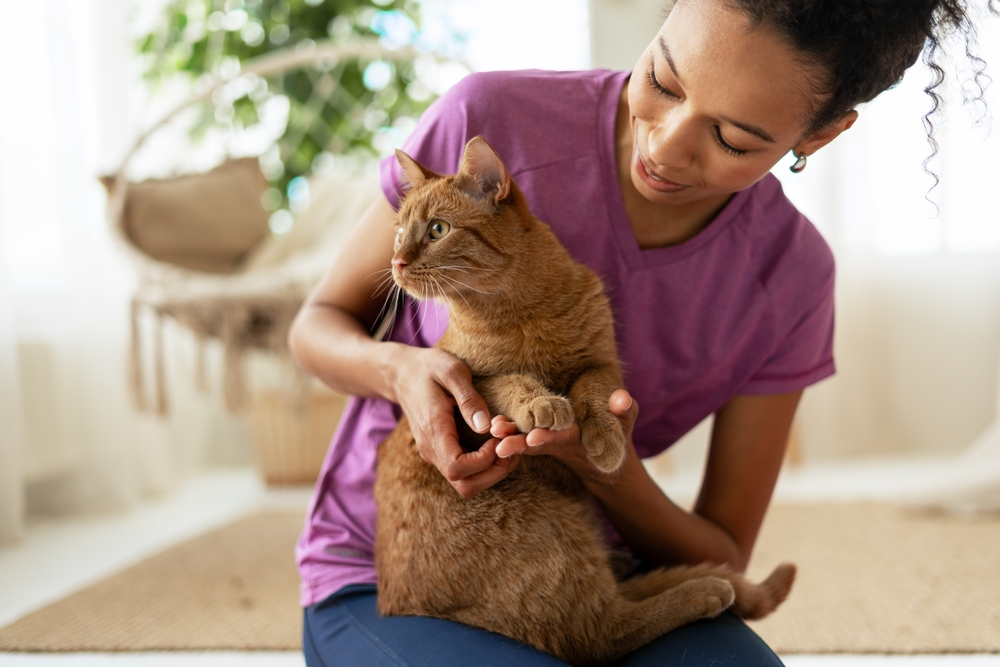
Caring for a pet is more than meeting its basic needs. It involves understanding what keeps them calm, comfortable, and healthy in every situation. One way to reduce stress and make veterinary care easier for both animals and owners is through mobile veterinary services. These services bring professional care directly to your home, eliminating the need for travel and waiting rooms.
Why Mobile Veterinary Care Matters
Many pets experience anxiety the moment they sense a trip to the clinic. Cats hide under furniture, dogs refuse to get in the car, and owners end up stressed before the visit even begins. A mobile vet removes that stress. The veterinarian comes to your home, allowing your pet to stay in its familiar surroundings. The environment stays calm, and the examination often goes more smoothly.
We also gain a better understanding of your pet’s daily life. Seeing the home environment helps identify small details that could affect their health, such as feeding routines, access to sunlight, or potential hazards. This insight can make a significant difference in creating a care plan that fits your pet’s real lifestyle.
For more information about available in-home services, you can visit mobile veterinary.
Convenience for Both Pets and Owners
Home visits save time and effort. Instead of rearranging your schedule, packing carriers, and driving through traffic, you can stay home and wait for the vet to arrive. This convenience is particularly valuable for households with multiple pets, elderly owners, or anyone with limited mobility.
Appointments usually run more efficiently since there is no waiting room or overlapping schedules. You get the veterinarian’s full attention during your appointment, and your pet benefits from a slower, more focused examination.
Reduced Stress and Better Behavior
Stress affects animals in subtle ways. Elevated stress levels can alter heart rate, body temperature, and even blood test results, which sometimes leads to misleading readings during clinic visits. In a home setting, pets tend to be more relaxed and cooperative. This allows the vet to collect more accurate information and perform exams without resistance.
Some animals, especially older ones, find travel painful or exhausting. Mobile care spares them unnecessary discomfort and makes regular checkups more manageable. When your pet is calm, the visit becomes more productive, and the quality of care improves.
Personalized Attention in Familiar Surroundings
At home, the interaction between owner, pet, and veterinarian feels more personal. Without the distractions of a busy clinic, you can discuss your concerns in a private and relaxed environment. The vet can observe your pet’s natural behavior and living conditions, offering tailored advice based on real context rather than assumptions.
This approach also strengthens the bond between the vet and your pet. Over time, the animal becomes more comfortable with recurring visits, which makes preventive care easier. A calm setting helps build trust, which is essential when it comes to ongoing treatments or end-of-life care.
Ideal for Elderly or Special-Needs Pets
Older animals or those with chronic illnesses often need frequent monitoring but struggle with the effort of leaving home. A mobile vet eliminates that challenge by providing consistent care in a low-stress environment. Treatments like fluid therapy, blood tests, or medication management can often be performed on-site.
For pets with limited mobility, arthritis, or post-surgical recovery needs, staying home reduces the risk of pain or injury during transportation. The comfort of familiar surroundings also helps them recover faster, as stress plays a major role in healing.
Easier End-of-Life Care
Saying goodbye to a pet is one of the hardest experiences for any owner. Having the option to do it at home can bring a sense of peace. A mobile vet allows your pet to spend its final moments in comfort, surrounded by familiar faces and scents.
Home euthanasia also provides privacy and time for family members to grieve naturally. You are not rushed or surrounded by strangers, which makes the experience gentler for both you and your pet.
Cost and Value Considerations
Some people assume mobile veterinary care must cost more than a clinic visit, but that is not always true. While there is usually a travel fee, the total cost often balances out when you consider the value of time saved, reduced stress, and personal attention.
Additionally, mobile vets typically operate efficiently and transparently. Without the overhead of a full clinic, they often pass savings to clients through straightforward pricing. The quality of care remains equal, and the added convenience can make preventive visits more frequent, which ultimately lowers long-term health costs.
Real-World Benefits for Multi-Pet Households
Families with more than one animal know how difficult it can be to coordinate vet visits. Each pet may react differently, and transporting several animals can be chaotic. A mobile vet can examine all pets in a single visit, which saves time and reduces stress for everyone.
This also helps when monitoring shared environments. If one pet develops a contagious condition such as fleas or respiratory infection, examining all animals together helps control and treat it faster. The vet can also make environmental recommendations to prevent future spread.
A Safer Option for Nervous or Aggressive Pets
Some animals react fearfully or aggressively in public spaces. Noise, unfamiliar scents, and other animals can trigger defensive behavior. At home, they remain calmer and easier to handle.
A mobile vet can assess behavioral triggers directly, helping identify what causes anxiety and how to manage it better. The calmer environment often makes examinations possible without sedatives, reducing risk and ensuring a safer experience for both the pet and the owner.
Better Communication and Education
When appointments take place at home, owners tend to ask more questions. Without the pressure of other clients waiting, conversations flow naturally. This time allows for deeper education on nutrition, exercise, dental hygiene, and preventive care.
We can also demonstrate small techniques in real time, such as how to clean ears or give medication safely. These small details help you become more confident in caring for your pet between visits. The goal is not just treatment but long-term understanding of what keeps your pet well.
Convenience During Emergencies or Busy Periods
Life can get unpredictable, especially when balancing work and family responsibilities. Having a trusted mobile vet means you can access care even during hectic periods. For minor emergencies or sudden health changes, a mobile service can often respond faster than waiting for a clinic appointment.
Though not all urgent cases can be handled at home, having a veterinarian who already knows your pet and its medical history allows for quicker decisions and better coordination with nearby clinics if advanced care is required.
Environmentally Friendly and Efficient
Fewer car trips mean less fuel consumption and a smaller carbon footprint. While this might seem like a small benefit, it reflects a growing awareness of sustainability in healthcare. Choosing mobile veterinary care supports a model that values both animal welfare and environmental responsibility.
Mobile services also rely on efficient scheduling. Veterinarians often group visits by area, reducing unnecessary driving and keeping operations streamlined.
How to Prepare for a Home Veterinary Visit
Before a mobile vet arrives, it helps to prepare your space. Choose a quiet area with good lighting, such as the living room or kitchen floor. Keep your pet calm and avoid feeding large meals right before the appointment.
Gather any medical records, medication bottles, or previous test results for review. If your pet hides easily, confine them in one room before the visit. Clear away clutter to allow space for examination equipment.
You can also make a short list of questions or concerns. Having them written down ensures nothing gets forgotten during the visit.
Building a Relationship Through Regular Visits
Mobile veterinary care encourages consistency. Since the experience is calmer, owners tend to schedule regular checkups rather than postponing them due to travel stress. This consistency strengthens preventive care and allows for early detection of potential problems.
Regular visits also build familiarity. Over time, your pet recognizes the vet and associates the visit with comfort instead of fear. This trust is crucial, especially for pets that need ongoing treatment or periodic vaccinations.
When to Choose a Traditional Clinic Instead
While mobile vets can handle most general care, certain situations still require clinic-based facilities. Complex surgeries, advanced imaging, or hospitalization must take place in a full-service veterinary center. However, mobile vets often maintain close relationships with clinics for referrals and follow-up care.
In many cases, the mobile vet can perform pre-assessments and post-operative checkups at home, reducing the number of stressful clinic visits.
Making the Most of a Mobile Veterinary Relationship
To get the best experience, treat mobile care as a partnership. Communicate openly about your pet’s history, temperament, and daily habits. Follow preventive recommendations, and maintain an updated vaccination schedule.
When both owner and vet work together, pets receive better, more consistent care. It also builds a sense of trust that extends beyond each visit.
If you want to learn more or schedule an appointment, you can contact us directly to discuss your pet’s needs.
Frequently Asked Questions
What kinds of pets can a mobile vet treat?
Most mobile vets provide care for cats and dogs, while some also treat small mammals or birds. It depends on the veterinarian’s training and equipment.
Can mobile vets perform vaccinations and lab work?
Yes. Mobile veterinarians carry the necessary vaccines and tools for collecting lab samples. They can administer shots, draw blood, and perform basic diagnostics on-site.
Is mobile veterinary care suitable for emergencies?
It depends on the situation. Minor injuries or sudden symptoms can often be evaluated at home, but life-threatening emergencies may still require immediate transport to a clinic or hospital.
How often should I schedule home visits?
Healthy adult pets usually need a checkup once a year, while seniors or pets with chronic conditions may require visits every few months. Your vet will recommend the right schedule.
What if my pet becomes aggressive during the visit?
Mobile vets are trained to handle a wide range of temperaments. They use calm techniques and sometimes mild sedation when necessary, ensuring safety without stress.
By choosing mobile veterinary care, you make life easier for both yourself and your pet. It blends professional expertise with comfort, turning veterinary visits into a natural part of home life rather than a source of anxiety.