
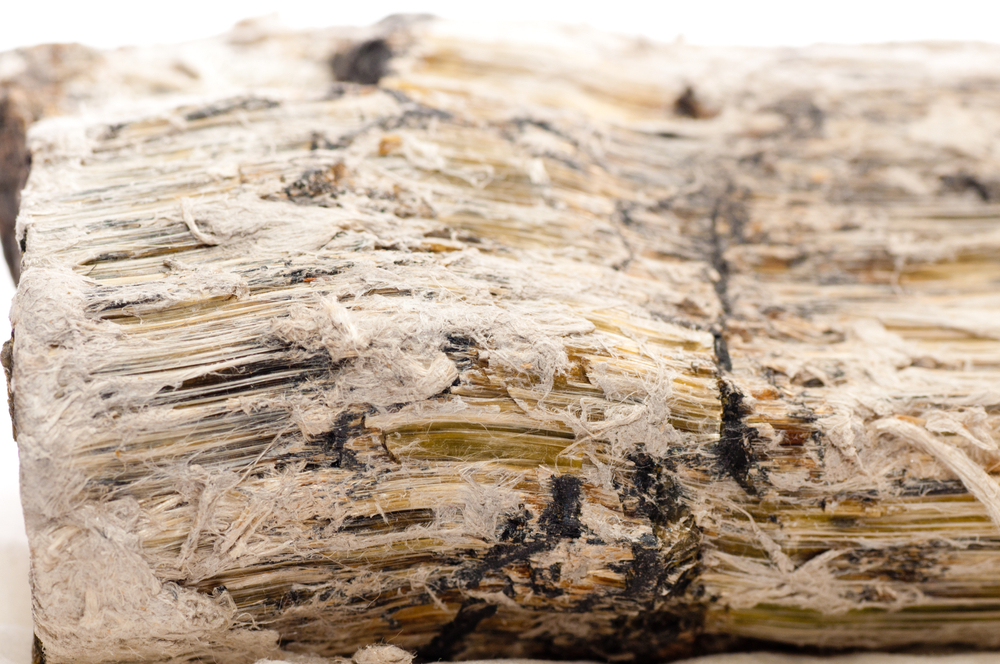
Older homes across the city often contain hidden materials that create serious health concerns, and safe planning helps every property owner feel more confident. Therefore, focusing on Asbestos Abatement Calgary through a trusted partner keeps families protected during renovations or repairs. Envirotech Abatement & Remediation Calgary follows proven steps that manage hazards carefully. In other words, every stage supports safer living conditions. The process begins with a clear assessment so risks become easy to understand. For example, many homeowners discover asbestos in flooring, drywall compounds, insulation, or heating systems. Similarly, older pipe wraps often contain fibres that need proper removal. Above all, safe work strategies protect indoor air quality. After that, each phase of the project follows regulated guidelines that prevent accidental exposure.
Understanding Asbestos Risks in Aging Calgary Structures
Many properties built before modern standards still hold materials that release fibres when disturbed, and a detailed inspection identifies what must be removed. Moreover, this approach prevents unexpected delays once renovation work begins. Envirotech Abatement & Remediation Calgary uses certified testing methods to confirm contamination zones. That is to say, each sample helps form a safe plan. Older homes often appear stable, but hidden layers behind walls or ceilings may release fibres during upgrades. For instance, simple drilling or sanding can launch particles into the air. Likewise, worn insulation around mechanical systems might crumble without warning. Most importantly, clear identification guides the next steps so no one faces avoidable risks. Subsequently, a structured plan supports safe removal from start to finish.
Planning Effective Containment and Removal Procedures
A safe project always starts with strong containment, and careful setup controls how fibres move during the process. In addition, regulated barriers keep work areas isolated from living spaces. Envirotech Abatement & Remediation Calgary establishes controlled zones with negative air pressure so fibres do not escape. In other words, airflow always moves inward, not outward. HEPA filtration supports safe working conditions by capturing airborne particles. For example, sealed entry points maintain strong control throughout the job. Similarly, specialized equipment supports removal with minimal disruption. Most importantly, containment prevents fibres from spreading across floors, ducts, or furniture. After that, technicians follow step-by-step removal methods that meet local standards and industry regulations. Each stage supports a smooth workflow while protecting everyone inside the home.
Choosing the Right Approach for Each Affected Material Type
Different building materials hold asbestos in varied ways, and tailored strategies help ensure complete removal. Moreover, accurate identification allows the safest technique for every surface. Flooring, drywall, insulation, and plaster require unique handling to avoid releasing fibres. Envirotech Abatement & Remediation Calgary selects the correct tools and procedures for each material. That is to say, careful removal protects both workers and property. For instance, non-friable materials need controlled cutting and lifting. Conversely, friable insulation requires gentle handling to prevent airborne particles. Above all, material-specific strategies keep the process consistent and safe. Subsequently, disposal follows strict guidelines that include secure bagging, labelling, and transport to approved facilities. This final step ensures nothing left behind threatens future renovations.
Post-Removal Cleaning and Air Quality Confirmation
A successful project ends with a clean and safe living environment, and detailed cleanup supports that goal. Furthermore, advanced HEPA vacuuming and wet-wiping techniques remove remaining dust. Envirotech Abatement & Remediation Calgary performs thorough checks before any area reopens. In other words, homeowners receive assurance that fibres no longer pose a threat. Clearance air testing confirms safe breathing levels throughout the space. For example, testing equipment measures airborne particles at multiple points. Likewise, surface evaluations confirm the area meets regulatory standards. Most importantly, clean air helps families return with confidence. After that, renovation or restoration can continue without risk of contamination. For more details on professional service steps, visit Asbestos Abatement Calgary
. For direct support, contact the team through contact
.
FAQs
What signs suggest asbestos may be present in my home?
Older materials such as flooring tiles, ceiling textures, drywall compounds, and pipe insulation often contain asbestos. If your home was built before modern regulations, an inspection offers clarity. Many owners choose professional testing before renovations begin.
How long does an abatement project usually take?
Project duration depends on material type, contamination level, and square footage. Smaller spaces may take a day or two, while larger areas require extended containment and removal. A detailed assessment provides an accurate timeline.
What happens if asbestos materials break during removal?
Trained teams use strict containment to manage breakage safely. HEPA filtration, negative pressure, and controlled procedures limit fibre release. Cleanup follows immediately to maintain air safety throughout the space.
Why is professional abatement necessary compared to DIY removal?
Certified teams follow regulated steps that protect air quality and prevent fibre exposure. DIY attempts often disturb materials without proper containment. Professionals use specialized tools, advanced filtration, and safe disposal methods.
Can I stay in my home during abatement?
Some homeowners remain in unaffected areas, but this depends on the project scope. Technicians outline safety requirements during planning. Many choose temporary relocation for comfort during active removal and cleanup.