
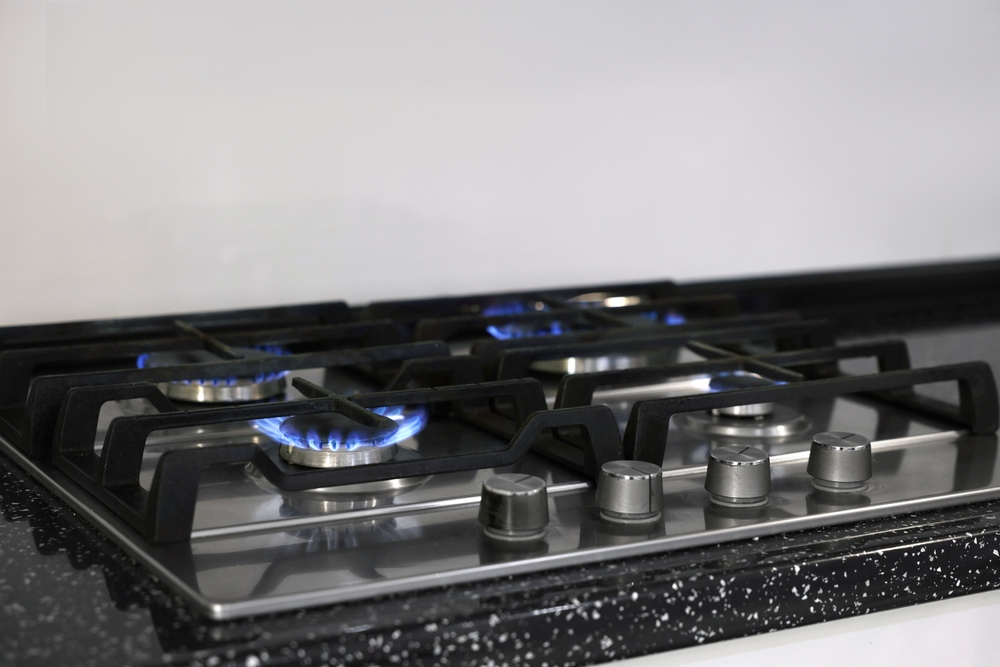
Why Igniter Problems Deserve Quick Attention
A stove igniter seems like a small part, yet it plays a major safety role. When it fails, gas can build up before ignition happens, creating a real hazard in the kitchen. JAY Appliances treats every igniter concern as a priority call for exactly this reason.
Summer cooking often means grilling outside, but stovetop use in St. Albert kitchens never really stops. Consequently, igniter wear shows up gradually, and many homeowners miss the early warning signs. Recognizing these signs early keeps your kitchen safer and avoids a bigger repair later.
Clicking That Won’t Stop
A healthy igniter clicks a few times, then lights the burner and shuts off. However, if clicking continues well past ignition, the igniter likely has a wiring or spark module issue. This constant clicking also wastes electricity and adds unnecessary wear.
Sometimes the clicking simply won’t produce a flame at all. In that case, gas may still be releasing from the burner even without ignition. Therefore, turn off the burner immediately and ventilate the kitchen if this happens.
Delayed or Weak Ignition
A delay between clicking and flame appearance signals a weakening igniter. This delay often means gas escapes for a few seconds before catching, which raises the risk of a small flare-up. Additionally, a weak or uneven flame can point to a partially clogged burner combined with igniter wear.
JAY Appliances technicians test spark strength and burner flow together during every stove repair. This combined check catches issues that a surface-level look would miss entirely. Consequently, repairs address the full problem rather than just the visible symptom.
Burner Ports That Won’t Light Evenly
An igniter failure sometimes shows up as uneven flame color or spotty ignition around the burner ring. Yellow or orange flames, instead of blue, often mean incomplete combustion tied to ignition timing. This issue matters because incomplete combustion increases carbon monoxide output inside your home.
If you notice this pattern, avoid using that burner until a technician inspects it. You can browse our full appliance repair services to understand exactly what a stove safety inspection includes before scheduling one.
Gas Smell Without Ignition Sound
Any gas smell paired with a silent igniter demands immediate action. First, turn off the burner and the stove’s main gas supply if accessible. Then, ventilate the kitchen by opening windows and doors right away.
This combination often means the igniter has failed completely while the gas valve still opens. That gap between gas flow and spark creates one of the most dangerous stove scenarios homeowners can face. Never attempt to manually light a burner with a match in this situation.
Why Professional Repair Matters Here
Stove igniter repairs involve both electrical and gas components working together. Consequently, a mistake during a DIY attempt risks more than a broken appliance. JAY Appliances technicians hold the training and certification needed to handle gas-connected repairs safely.
Every igniter repair includes a full safety check afterward. Technicians confirm proper flame color, consistent ignition timing, and secure gas connections before finishing the job. This thorough process protects your household long after the technician leaves.
Booking a Safety-First Repair
Igniter problems rarely improve without intervention, and delaying repair increases risk with every use. If your stove shows any of these warning signs, book a same-day repair appointment rather than continuing to use the burner. JAY Appliances prioritizes safety-related stove calls to get your kitchen back to normal quickly.
Ultimately, a properly functioning igniter protects your home, not just your cooking schedule. Trust a trained technician to handle the gas and electrical work involved. St. Albert families deserve a stove that lights safely every single time.
Frequently Asked Questions
Why does my stove igniter keep clicking without lighting? This usually means a weak spark module, wiring issue, or clogged burner port. A technician can test the igniter and burner together to find the exact cause quickly.
Is a delayed stove ignition dangerous? Yes, delayed ignition means gas releases briefly before catching, which raises fire risk. Schedule a repair promptly if you notice any delay between clicking and flame appearance.
What should I do if I smell gas but hear no ignition? Turn off the burner and gas supply immediately, then ventilate the kitchen. Avoid lighting the burner manually, and contact a technician for an urgent inspection.
Can a yellow flame mean my igniter needs repair? Often, yes. Yellow flames instead of blue usually indicate incomplete combustion tied to burner or igniter issues, which can increase carbon monoxide levels indoors.
How often should stove igniters be inspected? An annual check catches wear before it becomes a safety issue. Households that cook frequently may benefit from inspections every six months instead.