
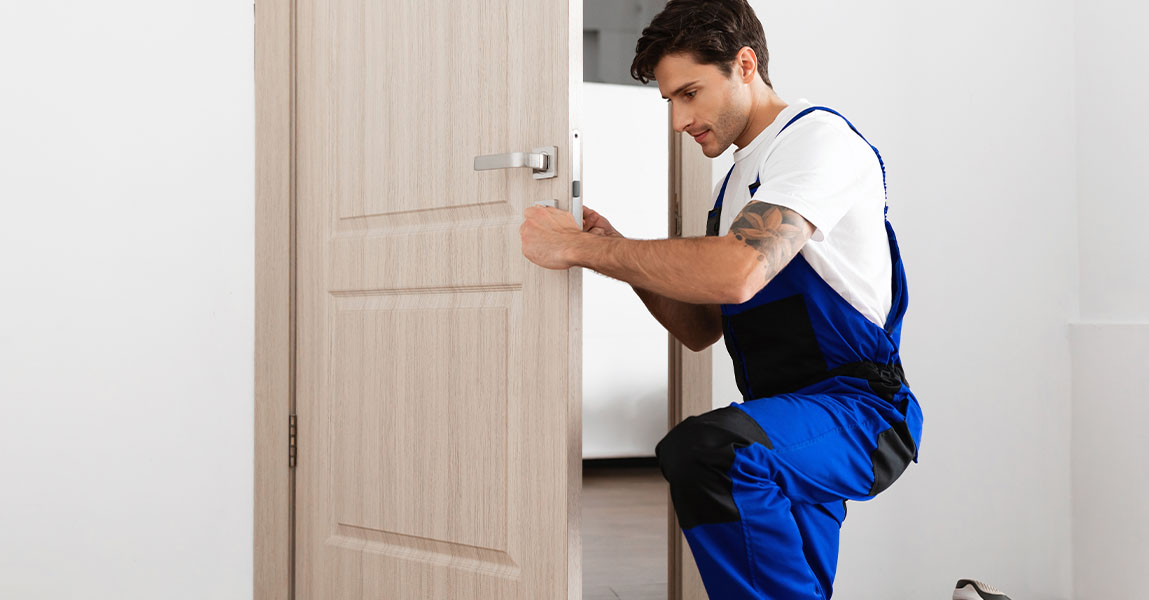
Locks are often the last thing we think about when maintaining a property, yet they quietly protect our homes and businesses every day. We rely on them to work perfectly every time, but like any mechanical part, they wear down with use, weather, and time. Regular maintenance might seem unnecessary until a key breaks, a door jams, or worse, a security issue appears. Keeping locks in good shape is about more than just avoiding inconvenience. It can save money, extend hardware life, and strengthen overall security.
Why Locks Need Ongoing Attention
Every lock experiences friction, temperature shifts, and exposure to dust or moisture. These small factors build up over time. When we neglect them, internal parts can grind, springs weaken, and mechanisms stiffen. Dirt and humidity in particular can cause corrosion that affects how smoothly the key turns. A small squeak or resistance is often an early sign that maintenance is needed.
Professional locksmiths recommend inspecting locks at least once or twice a year. Doing so prevents larger issues from developing unnoticed. For example, the pins inside a cylinder lock can misalign slightly over time. Without lubrication or cleaning, this misalignment can lead to key jams or even breakage inside the cylinder. Regular checkups make sure that each part still fits and functions as it should.
A simple inspection might include checking for loose screws, tightening the door handle, lubricating keyholes, and testing that the latch closes properly. These minor steps can make a big difference in how long a lock lasts.
Extending the Lifespan of Your Locks
Many property owners replace locks long before they actually need to. Often, wear and tear make the mechanism feel weak, giving the impression that a full replacement is necessary. Regular maintenance can delay that cost for years.
When we clean and lubricate a lock, we reduce the friction that causes wear. Using a dry lubricant like graphite powder or a silicone-based spray prevents buildup that oils might leave behind. These products keep the pins and springs moving smoothly without attracting dust.
In humid environments, moisture-resistant lubricants are especially important. Moisture is one of the main enemies of metal components. Even small amounts can cause rust inside the lock body. Over time, this makes the key harder to turn and increases the risk of internal failure. Keeping the lock dry and clean helps it perform reliably through seasonal changes.
We can also check that doors close properly and that their alignment hasn’t shifted. A door that sags slightly or rubs against the frame puts pressure on the latch and strike plate, causing extra stress on the locking mechanism. Simple adjustments, such as tightening hinges or realigning the strike plate, can prevent early damage.
For anyone unsure about how to inspect locks correctly, speaking with a locksmith in Calgary can provide professional guidance and a thorough maintenance plan.
Improving Everyday Security
Lock maintenance is not just about smooth operation. It also helps keep security standards high. When locks start to malfunction, they can become easier to force open or pick. Worn parts reduce the precision that keeps a lock secure.
Over time, keys can also wear down, slightly changing their shape. That minor difference might seem harmless, but it can gradually damage the internal pins. When we maintain locks regularly, we also check the condition of the keys themselves. Replacing worn keys prevents long-term harm to the lock.
Another aspect of maintenance involves checking whether a lock still meets current safety expectations. Older locks can become outdated, lacking features that newer models offer. Regular maintenance provides a natural opportunity to evaluate whether upgrades might be worthwhile, especially for business owners handling sensitive materials or valuables.
By combining inspection with evaluation, we protect both property and peace of mind. Maintenance ensures that locks are always ready to perform under pressure and that weak points are identified before they can be exploited.
Avoiding Costly Emergencies
Many lockouts, broken keys, and jammed cylinders result from neglect. A small investment in maintenance often prevents expensive emergency calls later. Locks that are stiff or difficult to turn should never be forced. Applying extra pressure to a stubborn key can lead to breakage inside the mechanism, creating both an inconvenience and an immediate security risk.
Another common issue is frozen locks during winter. When condensation or rain enters a lock and temperatures drop, moisture freezes inside, making the keyhole unusable. Regular lubrication with products designed to resist freezing conditions prevents this. Checking door seals and keeping locks dry through the season further reduces the chance of getting stuck outside.
Maintaining locks also gives us a better sense of when they are nearing the end of their lifespan. Rather than facing a sudden failure, we can plan replacements in advance and avoid unnecessary stress. Routine checks save both time and money while reducing emergencies that happen at the worst possible moment.
Enhancing Key Performance
It’s easy to forget that keys themselves need care. Dust or residue on a key transfers directly into the lock each time it’s inserted. This buildup increases wear inside the keyway. Cleaning keys occasionally with a soft cloth and mild soap helps keep both key and lock in good condition.
Another small but effective tip is to avoid using keys for anything other than their intended purpose. Many people use them to open packages or pry small objects, which bends the metal slightly. Even a small bend changes how the key interacts with the lock pins. That subtle shift can lead to jamming or snapping later.
For homes or offices with multiple locks keyed alike, it’s wise to have a spare key cut from the original rather than a copy of a copy. Each duplication slightly changes the key pattern. Over time, repeated copying results in less accurate keys that wear locks faster. Maintaining a high-quality master key helps preserve the precision that locks depend on.
The Role of Weather in Lock Maintenance
Calgary’s climate can be harsh on locks. Between dry winters, sudden temperature swings, and spring moisture, the metal components inside locks expand and contract constantly. This can cause parts to loosen or corrode more quickly than expected.
Exterior locks in particular need seasonal attention. Before winter, we should ensure that all exterior locks are clean, dry, and lubricated. In summer, dust can accumulate inside keyways, especially in windy areas. Blowing compressed air into the keyhole or using a small brush helps clear debris.
We should also look at how weather affects doors themselves. Wooden doors expand with humidity and contract in dry air. This changes how the latch aligns with the strike plate. Adjusting the hinges or latch before the lock starts sticking keeps operation smooth. Preventive checks like these make the lock’s job easier and extend its life significantly.
When to Seek Professional Help
Some signs indicate that maintenance might not be enough. If a key sticks frequently or the lock cylinder turns loosely without engaging the latch, internal wear might already be advanced. A professional can assess whether repair or replacement is the better option.
For complex locking systems, such as smart locks, high-security cylinders, or commercial-grade mechanisms, routine maintenance should include calibration or system testing. Professionals have tools to measure wear, detect hidden damage, and rekey or realign components as needed.
Regular visits from a trusted locksmith provide peace of mind and prevent small mechanical problems from becoming major security risks. If issues arise or maintenance is overdue, it’s easy to contact us for advice or to schedule service.
Simple Maintenance Tips to Apply Today
Even without special tools, we can do several things to keep locks in working order. First, use a dry cloth to clean around the keyhole and handle, removing dust and residue. Next, apply a small amount of dry lubricant inside the keyhole, inserting and removing the key a few times to spread it evenly.
Check that door frames and strike plates align correctly by closing the door slowly and observing whether the latch fits smoothly. Tighten any loose screws or handles to prevent wobbling, which can strain the mechanism.
It’s also helpful to label and organize keys clearly. When multiple people use the same locks, misusing or forcing the wrong key is a common cause of damage. Keeping duplicates marked and in good condition avoids confusion.
Finally, pay attention to how locks feel. A sudden change in resistance, stiffness, or sound usually indicates that cleaning or lubrication is needed. Acting quickly prevents long-term wear and keeps everything working as intended.
The Long-Term Value of Maintenance
Maintaining locks regularly creates lasting value that goes beyond security. It improves safety, saves money, and provides confidence in daily routines. We often maintain cars, appliances, or heating systems without question, yet locks are just as critical to our comfort and protection.
A lock that works smoothly every time builds trust in our environment. It eliminates the small stress that comes from worrying about whether a door will close properly or if the key might break. Over the years, that reliability becomes part of the quiet safety that makes a home or workplace feel secure.
By understanding how small habits extend the life of our locks, we build a system of care that supports our property and peace of mind.
FAQ
How often should locks be maintained?
Once or twice a year is ideal for most properties. Heavily used locks, such as main entrances or business doors, may need quarterly attention.
What lubricant is best for locks?
Use a dry graphite or silicone-based lubricant. Avoid oils, as they collect dust and cause buildup.
Can weather damage a lock?
Yes. Moisture can cause rust, and cold temperatures can freeze internal parts. Seasonal maintenance helps prevent this.
Should I replace old locks even if they still work?
If they show signs of wear, corrosion, or outdated security features, upgrading might be wise. Regular inspection helps decide when replacement is necessary.
What are signs my lock needs professional attention?
Frequent sticking, difficulty turning the key, or a loose cylinder means it’s time for a professional assessment.
Regular maintenance keeps locks dependable, secure, and long-lasting. Simple habits today prevent bigger problems tomorrow, and with professional help when needed, we can keep every entry point safe and smooth for years to come.