
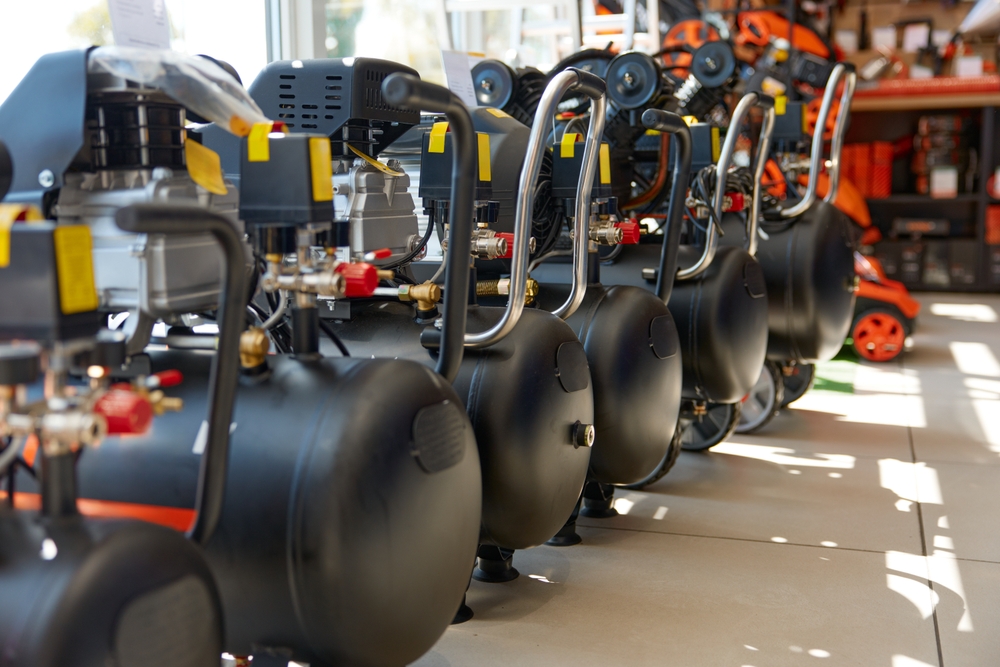
Compressed air is a vital energy source for many industries, but it’s also one of the most expensive to generate. The way air compressors run can have a major impact on operating costs, energy consumption, and system longevity. Variable Speed Drive (VSD) compressors have become an effective solution for businesses that need to balance air demand with energy efficiency. Understanding how they work and where they provide the most value can help you make better decisions for your facility.
How Variable Speed Drive Compressors Work
Traditional air compressors operate at a fixed speed. They either run at full capacity or turn off completely. When air demand fluctuates, these compressors continue cycling on and off, wasting energy in the process.
A Variable Speed Drive compressor works differently. Instead of maintaining a constant motor speed, the VSD automatically adjusts the motor’s rotation speed to match air demand in real time. When the system needs less air, the motor slows down; when demand increases, it speeds up again. This simple principle allows the compressor to supply exactly the amount of air required without unnecessary energy waste.
This technology also reduces the mechanical stress on the motor and compressor components because it avoids the sharp start-stop cycles of fixed-speed systems. The result is smoother operation and longer equipment life.
The Energy Efficiency Advantage
Energy is often the largest operating cost of any air system. In fact, it’s estimated that energy expenses can account for more than 70 percent of the total cost of ownership over the life of an air compressor. Because VSD compressors continuously match their output to actual air usage, they can significantly reduce energy consumption.
When demand drops during non-peak hours or between production cycles, the VSD reduces motor speed, cutting electricity use. These savings can be substantial, particularly in facilities where air usage fluctuates throughout the day.
While the upfront cost of a Variable Speed Drive compressor is higher than a fixed-speed unit, the energy savings often lead to a quick payback period. Many businesses recover the extra investment within one to two years through reduced utility bills alone.
To learn more about system optimization and efficient equipment options, you can explore our page on compressed air systems.
Improved System Stability and Pressure Control
One of the less-discussed but equally important advantages of VSD compressors is their ability to maintain consistent air pressure. In a traditional setup, pressure levels tend to rise and fall as the compressor cycles on and off. These fluctuations can lead to inefficiencies in production equipment and even cause pneumatic tools to perform inconsistently.
A Variable Speed Drive compressor minimizes these pressure variations. Because the motor adjusts speed continuously, it holds the line pressure within a narrow, stable range. This means downstream equipment receives a steady air supply, resulting in smoother operation and fewer interruptions.
In many facilities, maintaining stable pressure also allows operators to reduce the overall system pressure setting. Even a small reduction—such as two pounds per square inch—can lead to noticeable energy savings, since compressors use less power to deliver lower pressure.
Reduced Maintenance and Longer Equipment Life
Frequent starting and stopping can place a heavy load on mechanical components like bearings, valves, and couplings. Over time, this wear shortens the lifespan of both the motor and the compressor. Variable Speed Drive compressors avoid these hard cycles by running more smoothly and only as fast as necessary.
The gradual acceleration and deceleration provided by the drive also reduce electrical and thermal stress. Motors run cooler, oil temperature stays more stable, and the compressor’s air end experiences less wear.
These factors translate into longer service intervals and reduced maintenance costs. Less strain on components means fewer breakdowns and lower total repair costs across the compressor’s life.
Noise Reduction and Workplace Comfort
Noise levels are often overlooked when selecting industrial equipment. Traditional compressors can generate significant noise during startup and shutdown, as well as while running at full capacity. This can create an uncomfortable environment for workers and, in some cases, require additional soundproofing.
VSD compressors typically operate much more quietly. Because they rarely need to run at full speed and ramp up gradually, the noise level drops considerably. This can make a noticeable difference in facilities that prioritize employee comfort or must adhere to strict noise regulations.
A quieter compressor also makes it easier to detect air leaks and other operational issues since excess noise no longer masks these sounds. Identifying and fixing leaks early contributes to greater efficiency and lower energy costs.
Ideal Applications for Variable Speed Drive Compressors
VSD compressors offer the greatest benefits in environments with fluctuating air demand. Manufacturing plants, packaging lines, and facilities that use air tools intermittently often experience variable usage patterns throughout the day.
In contrast, facilities that run a consistent process requiring a steady air load might not benefit as much from variable speed control. In those cases, a fixed-speed compressor operating at full capacity may still be more cost-effective.
That said, many operations combine both systems. A base-load fixed-speed compressor provides the constant supply, while a Variable Speed Drive unit handles the fluctuating demand. This hybrid setup ensures maximum efficiency and reliability under varying load conditions.
Integration into Existing Systems
One of the biggest misconceptions about Variable Speed Drive compressors is that they require an entirely new setup. In reality, many can be integrated into existing compressed air systems with minimal adjustments.
The key is proper system design. Adding a VSD compressor without reviewing storage, piping, and control settings may limit its effectiveness. Air receivers, filters, and dryers must also be correctly sized to complement the variable output.
Before upgrading, it’s wise to perform a system audit. Measuring air flow and pressure at different times of the day helps determine whether a VSD compressor will deliver measurable benefits. Professional assessment ensures that the investment truly fits the operation’s needs and will lead to expected savings.
Environmental Benefits
Energy-efficient equipment benefits more than just the bottom line. By lowering power consumption, Variable Speed Drive compressors help reduce greenhouse gas emissions. Many companies today aim to meet sustainability goals, and switching to more efficient air technology supports these initiatives directly.
Additionally, because VSD compressors generate less heat, they can reduce the load on ventilation and cooling systems. This further cuts energy use and helps maintain a stable indoor environment, especially in smaller production spaces.
These environmental advantages can also improve a company’s public image and compliance with emerging efficiency regulations. Investing in energy-conscious technology is both a practical and responsible step toward long-term sustainability.
Common Misconceptions
It’s common to assume that all compressors with electronic controls are Variable Speed Drive units. However, VSD refers specifically to the technology that varies the motor speed through an inverter. Other types of electronic controls may improve operation but don’t necessarily offer the same energy-saving benefits.
Another misconception is that VSD compressors are overly complex or difficult to maintain. While the control systems are more advanced, routine maintenance is usually similar to that of standard compressors. The key difference lies in monitoring and calibration, which trained technicians can handle easily.
Finally, while VSD compressors can save significant energy, they’re not the right fit for every situation. Understanding your air demand profile and system design is essential before making the switch.
Practical Tips for Getting the Most from a VSD Compressor
To maximize performance, keep the surrounding environment clean and properly ventilated. Dust and heat can interfere with sensors and electronic components, leading to inaccurate readings or unnecessary energy use.
Regularly check air filters and drains to prevent restrictions that cause the compressor to work harder. Since VSD systems are sensitive to airflow changes, maintaining a clear path ensures that the motor adjusts correctly to real demand.
Finally, use data monitoring tools if available. Many modern VSD compressors include software that tracks energy use, pressure, and running hours. Reviewing these reports helps identify inefficiencies and confirm that the expected savings are being achieved.
If you’re considering upgrading or optimizing your air setup, you can contact us to discuss your requirements and explore professional guidance for your facility.
FAQ
What is the main difference between a Variable Speed Drive and a fixed-speed compressor?
A Variable Speed Drive compressor automatically adjusts motor speed to match air demand, while a fixed-speed model runs at full power regardless of usage.
Do VSD compressors need special maintenance?
Maintenance routines are generally similar to standard compressors, but electronic components and sensors should be inspected periodically to ensure accurate control.
Can a Variable Speed Drive compressor be added to an existing system?
Yes. With proper design and integration, a VSD compressor can enhance efficiency without replacing all existing equipment.
How much energy can a VSD compressor save?
Savings vary depending on the system’s air demand profile but typically range between 20 and 50 percent compared to fixed-speed units.
Is a VSD compressor worth the investment for small operations?
If air demand fluctuates significantly, even smaller operations can benefit from lower energy costs and improved reliability. The payback period depends on usage patterns and electricity rates.