
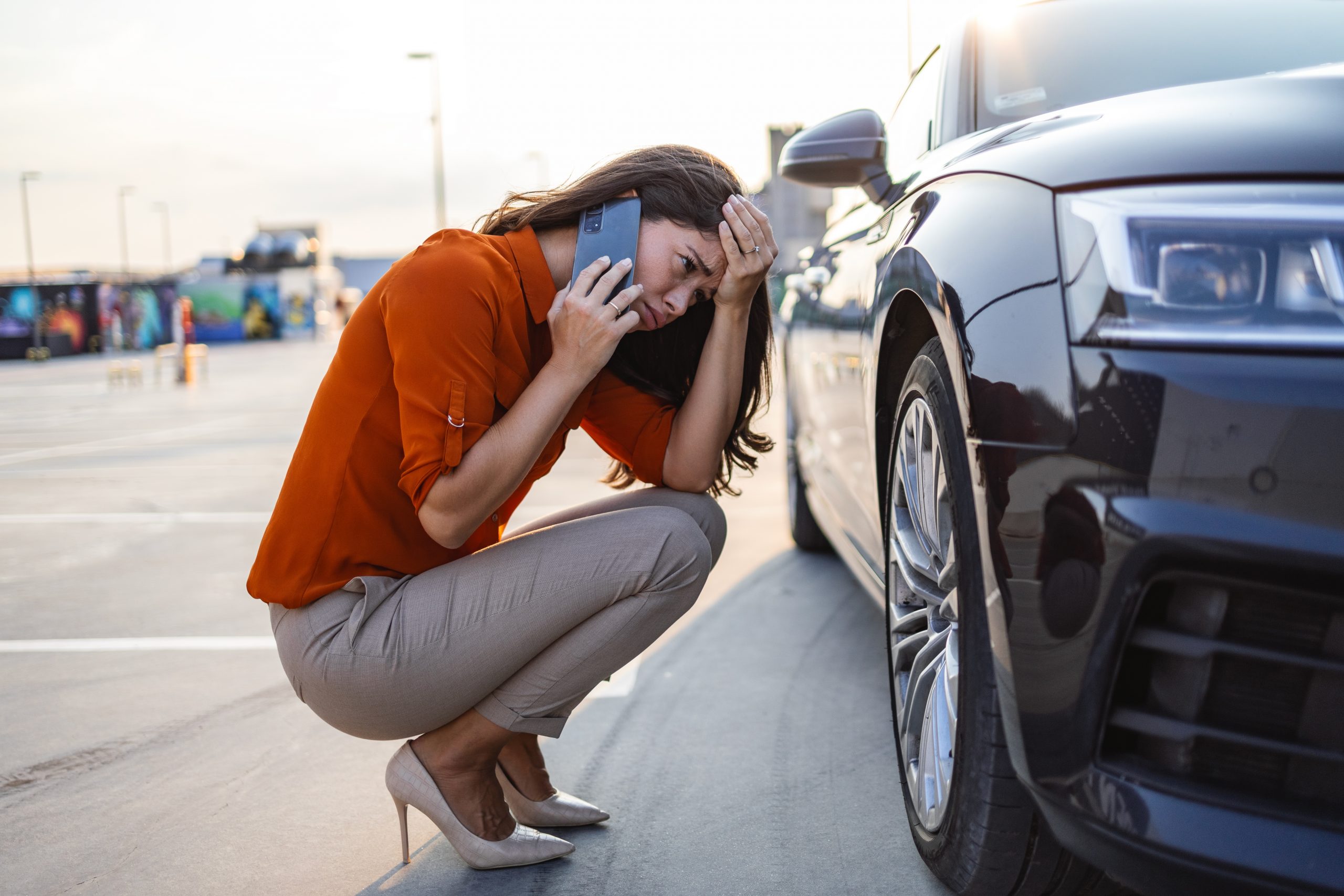
Getting stuck outside your own vehicle creates an immediate sense of panic. We understand how frustrating it feels to pull a handle and meet total resistance. Whether you have an appointment to keep or groceries in the trunk, a jammed door disrupts your entire schedule. Our team at Locksmith On Time helps people navigate these stressful moments every day. You do not have to handle this situation alone or resort to damaging your vehicle. By following a few logical steps, you can identify the cause and find a quick solution to get back on the road.
Check Every Entry Point First
Before you assume the worst, we recommend a full walk-around of the vehicle. It sounds simple, but in a moment of stress, many drivers forget to check the passenger doors or the trunk. Modern central locking systems can sometimes experience partial failures where only one actuator stops responding. If you can gain entry through another door, you can often open the jammed door from the inside. This small step might save you a significant amount of time and stress.
While you check the other doors, pay attention to the sounds your car makes. Do you hear a clicking noise when you press the unlock button? If the car remains silent, the issue might relate to your key fob battery rather than the door mechanism itself. If you find that none of your doors respond, we suggest you visit our main page to see how our professionals handle total vehicle lockouts.
Assess the Key Fob and Power Locks
Most modern vehicles rely on electronic signals to move the lock tumblers. If your door won’t budge, the first culprit is often a dead battery in your remote. We suggest trying your spare key if it is nearby. If the spare works, you know the vehicle hardware is fine and you just need a new coin cell battery for your primary remote.
If the fob is working but the lock stays down, the door lock actuator might have failed. This electronic component is responsible for physically moving the locking mechanism. When it wears out, the door stays permanently locked or unlocked regardless of what the buttons say. In these instances, our professional technicians often find that internal electrical connections have frayed or disconnected over time.
Examine the Handle and Latch Mechanism
Sometimes the problem is mechanical rather than electronic. Over time, the rods and cables inside the door panel can stretch, break, or become detached. If the handle feels loose or “floppy” when you pull it, the connection to the latch is likely broken. Conversely, if the handle is very stiff and won’t move at all, something might be stuck inside the latch assembly itself.
External factors like dirt, grime, and rust can also seize a lock. If you live in an area with harsh winters or dusty roads, debris can build up inside the mechanism. We often suggest using a specialized lubricant designed for locks to see if it frees up the moving parts. Avoid using heavy oils or WD-40 for long-term fixes, as these can actually attract more gunk over time. If the mechanical parts are truly broken, you may need lock installation repairs in Ottawa to ensure the door remains secure and functional.
Dealing with Frozen Locks or Latches
In colder climates, moisture can seep into the door seal or the lock cylinder and freeze solid. This is one of the most common reasons a door won’t open during the winter months. If the handle moves but the door feels glued to the frame, the rubber weather stripping is likely frozen shut.
We advise against pulling the handle with extreme force. Doing so can tear the rubber seals or break the plastic handle entirely. Instead, try pushing firmly against the door to break the ice seal before pulling outward. You can also use a hairdryer on a low setting or a dedicated de-icer spray to melt the obstruction safely. Never pour boiling water over a frozen car door, as the extreme temperature change can crack your window glass.
Look for Physical Obstructions or Body Damage
A door might fail to open because of a slight misalignment in the vehicle frame. Even a minor “fender bender” can shift the door latch just enough so it no longer lines up with the striker plate. If you notice that the gaps around your door look uneven, the latch might be binding against the frame.
Sometimes, a seatbelt or a piece of clothing gets caught in the door when it closes. This creates outward pressure that jams the latch. If you suspect this is the case, try having someone push the door inward from the outside while you attempt to pull the handle. This relieves the pressure on the latch and often allows it to click open.
When to Call the Professionals
While DIY tips can solve minor issues, certain problems require specialized tools. Modern cars have complex anti-theft systems that are easy to trigger if you attempt to “slim jim” the door yourself. Damaging the side-impact airbags or the window regulators inside the door can lead to very expensive repairs.
Our team at Locksmith On Time brings the right equipment to open your vehicle without causing a single scratch. We understand the inner workings of both domestic and imported vehicles. If your door is stuck due to a complex electrical fault or a broken internal linkage, we can diagnose it quickly. We prioritize your safety and the integrity of your car, ensuring you get back to your day with minimal delay.
Frequently Asked Questions
Why does my car door open from the inside but not the outside? This usually indicates a broken exterior handle or a disconnected linkage rod. The interior and exterior handles use different physical connections to the same latch. If one works and the other doesn’t, the problem is specific to that handle’s hardware.
Can a blown fuse cause my door to stay locked? Yes, if your car uses power locks, a blown fuse can prevent the actuator from receiving power. Check your vehicle’s fuse box for any broken circuits related to the “Central Locking” or “Body Control Module” systems.
Is it safe to use a coat hanger to open my door? We do not recommend this. Modern doors are filled with wires, sensors, and airbags. Inserting a metal hanger can easily snag a wire or damage the weather stripping, leading to leaks and electrical shorts.
What is the best lubricant for a sticking car lock? Dry graphite spray or a specialized Teflon-based lock lubricant is best. These do not attract dust and grime like wet oils do, keeping the internal tumblers moving smoothly for a longer period.
How do I know if my door lock actuator is bad? Common signs include strange noises coming from inside the door when you press the lock button, or the door lock moving slowly or intermittently. If the other doors work but one does not respond to the remote, the actuator is likely failing.