
Many pets become nervous the moment they sense a trip to the veterinary clinic. The sounds, unfamiliar smells, and waiting rooms filled with other animals often create anxiety before the appointment even begins. However, home veterinary care changes that experience completely.
Dr. Wendy VetCare has seen how pets behave differently when medical care happens in a familiar place. Instead of feeling trapped in an unknown environment, animals remain where they feel safe. As a result, their stress levels decrease, which allows examinations and treatments to happen more smoothly.
A Familiar Environment Makes A Big Difference
Animals rely heavily on routine and environment to feel secure. Their home is the place where they sleep, eat, and interact with their family. Because of this, it naturally becomes their comfort zone.
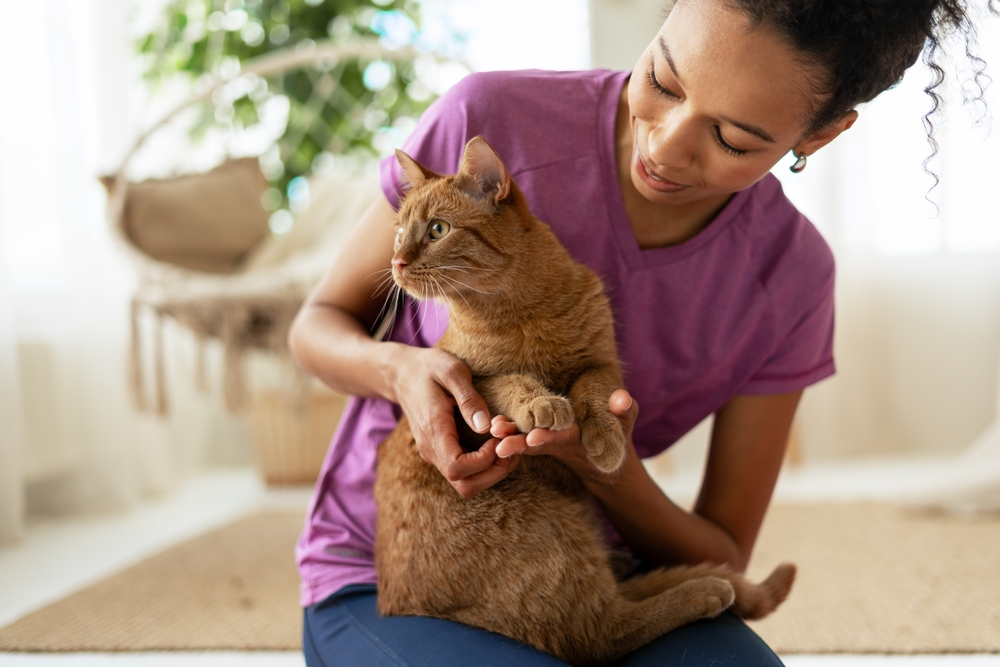
During a home veterinary visit, pets remain surrounded by familiar sights, sounds, and smells. Consequently, they stay calmer compared to being placed in a clinic setting. Cats may sit comfortably on their favorite couch, while dogs remain relaxed near their owners instead of pacing in a waiting room.
This relaxed atmosphere allows the veterinarian to observe the animal’s normal behavior more accurately. In many cases, subtle health signs become easier to notice. Pet owners interested in professional mobile veterinary services often discover that their pets cooperate far more during examinations when the visit happens at home.
Less Travel Means Less Stress
Transportation alone can be a major source of anxiety for pets. Many dogs become restless in the car, and cats often associate carriers with unpleasant experiences. Even before arriving at the clinic, animals may already be frightened.
Home vet visits remove this stressful step entirely. Instead of forcing pets into carriers or vehicles, the veterinarian arrives directly at the home. Therefore, the animal avoids the stressful journey that often triggers nervous behavior.
This difference is especially noticeable with senior pets or animals with mobility challenges. Arthritis, joint pain, or age related conditions can make travel uncomfortable. A home visit eliminates that strain, which allows the animal to stay relaxed and comfortable throughout the entire appointment.
Dr. Wendy VetCare has found that pets who normally resist travel become much more cooperative when care happens at home.
No Waiting Rooms Or Strange Animals
Veterinary clinics often have busy waiting rooms. Dogs bark, cats hiss, and unfamiliar scents fill the air. For many animals, these situations create sensory overload.
Pets may feel threatened when surrounded by unfamiliar animals. Even calm pets can become defensive or fearful in crowded environments. However, home veterinary visits remove this stressful situation completely.
Without the presence of other animals, pets can focus on their owners and the veterinarian. As a result, examinations tend to proceed more calmly. The animal does not feel the need to compete for space or react to unfamiliar noises.
Families who learn more about in home veterinary care often notice how dramatically their pet’s behavior changes when the appointment takes place in a quiet home environment.
Better Communication Between Vet And Pet Owner
Home visits also create a more relaxed setting for communication. Pet owners can discuss concerns comfortably without feeling rushed by a busy clinic schedule. Meanwhile, the veterinarian can observe the animal in its natural environment.
For example, the veterinarian may notice where the pet sleeps, eats, or spends most of its time. These small details sometimes provide helpful clues about health issues, diet habits, or behavioral changes.
Additionally, pets often behave more naturally at home. This helps the veterinarian evaluate movement, posture, and overall comfort more accurately. Consequently, the examination may provide insights that are harder to observe in a clinic setting.
Dr. Wendy VetCare values these opportunities because they allow more personalized care tailored to each pet and household.
Ideal For Senior Pets And Nervous Animals
Some pets struggle significantly with clinic visits. Rescue animals, elderly pets, and those with past trauma may experience extreme anxiety in unfamiliar places. Home veterinary care offers a gentler approach for these sensitive animals.
Senior pets especially benefit from this type of care. Aging animals often prefer calm surroundings and predictable routines. A home visit allows them to remain comfortable while receiving the medical attention they need.
Nervous cats are another common example. Many cats hide, freeze, or panic during travel and clinic visits. At home, however, they often remain much calmer. This allows the veterinarian to perform necessary checks without adding unnecessary stress.
For these pets, home veterinary care becomes more than a convenience. It becomes an important part of maintaining both physical health and emotional well being.
A Calm Pet Leads To Better Veterinary Care
A relaxed animal makes veterinary care easier for everyone involved. When pets remain calm, examinations become smoother and more accurate. The veterinarian can listen to the heart, examine joints, and assess behavior without resistance caused by fear.
Stress can sometimes affect vital signs such as heart rate and breathing. When pets remain relaxed at home, these readings may better reflect their normal health condition.
Furthermore, a calm pet is less likely to struggle during treatment. This reduces the risk of injury for both the animal and the veterinarian. The result is a safer and more positive medical experience overall.
Dr. Wendy VetCare continues to see how this approach improves veterinary visits for pets and their families.
FAQs
Why are pets less stressed during home veterinary visits?
Pets remain in their familiar environment, surrounded by known smells and people. Consequently, they feel safer and more relaxed than they would in a clinic filled with unfamiliar animals and sounds.
Are home vet visits suitable for cats?
Yes, cats often benefit greatly from home visits. Many cats become anxious during travel and clinic visits. At home, they remain calmer, which allows the veterinarian to perform examinations more comfortably.
Can home veterinary visits handle regular checkups?
Home visits commonly include wellness exams, vaccinations, and health assessments. In many cases, routine care can be performed just as effectively as it would be in a traditional clinic.
Do home vet visits work for older pets?
Senior pets often benefit the most. Travel can be difficult for animals with arthritis or mobility issues. Therefore, home visits allow them to receive care without unnecessary physical stress.
Is home veterinary care only for nervous pets?
Not at all. While anxious animals benefit significantly, many families simply prefer the convenience and calm atmosphere that home veterinary care provides for their pets.
You can read more about our services here: Alberta Business Beat, Your Local Biz, Post Of The Day, Canada Biz Portal, The Canada Best, Calgary Best, The Daily Local.