
Summer humidity changes how your washer behaves. Consequently, a machine that smelled fine all winter can suddenly develop a musty odor in July. Jay Appliances hears this complaint often once temperatures climb across the Leduc area.
Why Humidity Makes the Smell Worse
Warm, humid air slows evaporation inside your washer’s drum and gasket. Therefore, moisture lingers longer after every cycle. Bacteria and mold thrive in that damp environment. In addition, closed laundry rooms trap humidity instead of releasing it, which only feeds the problem further.
Front-load washers face this issue more than top-load models. Specifically, the rubber door gasket holds water in its folds long after a cycle ends. If nobody wipes it down, mildew builds up quickly. Meanwhile, detergent residue mixes with trapped moisture and creates an even stronger odor.
What’s Actually Causing the Smell
Several culprits usually work together. First, leftover detergent and fabric softener coat the drum and hoses over time. Second, low-temperature summer wash cycles don’t get hot enough to kill bacteria. Third, a closed lid or door between loads seals moisture inside.
Furthermore, drain hoses and filters collect lint, hair, and soap scum. That buildup becomes a breeding ground for mold. Consequently, even a freshly cleaned load of laundry can come out smelling faintly sour. Jay Appliances technicians frequently find this exact combination during summer service calls.
Simple Habits That Stop the Smell
Leave the washer door open between loads. This single habit lets air circulate and dries out hidden moisture. Additionally, wipe the gasket with a dry cloth after every wash. That quick step removes residue before it turns into mildew.
Run a hot cleaning cycle once a month using a washer-safe cleaner. This breaks down detergent buildup inside the drum. Also, use less detergent than you think you need. Most modern formulas are concentrated, and excess soap is a leading cause of lingering odor.
Check your dryer while you’re at it, since laundry rooms often share ventilation issues. However, if these habits don’t solve the smell within a few weeks, something mechanical may be at fault. That’s when a proper inspection makes sense.
When to Call a Professional
Some odor problems come from a clogged drain pump filter or a failing door seal. In that case, home remedies won’t fix the root issue. Our washer repair technicians inspect the drum, hoses, and seals to find exactly where moisture is getting trapped.
Jay Appliances also checks for mineral buildup in older machines, since hard water can worsen odor over time. Our team cleans components that regular users can’t reach safely. As a result, your washer runs cleaner and lasts longer.
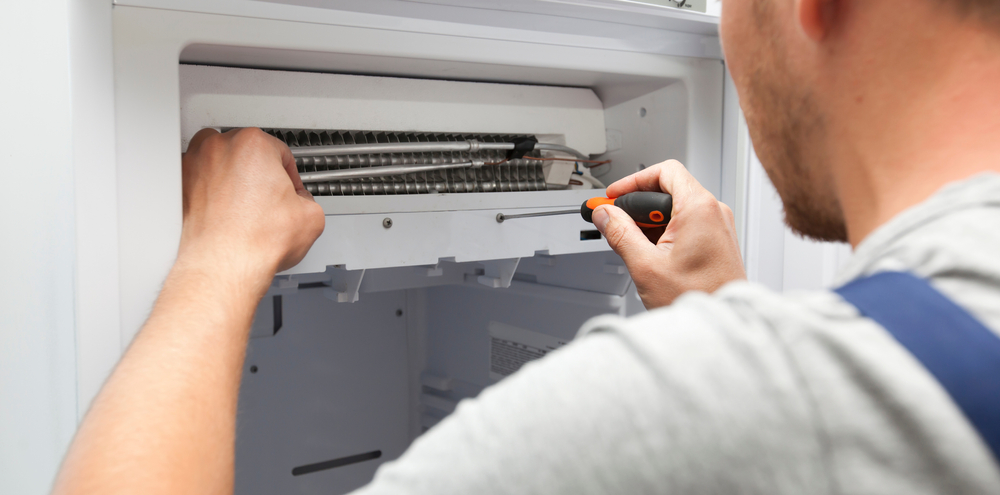
Summer is also a good time to check other appliances working overtime in the heat. For example, refrigerators run longer cycles when kitchens get warmer, which can strain components. If you’ve noticed unusual sounds or performance from your fridge too, our fridge repair service covers a full inspection alongside your washer visit.
Keeping Your Laundry Room Fresh All Season
Good airflow matters as much as cleaning habits. Therefore, consider running a small fan in the laundry room during the most humid weeks. This helps surfaces dry faster and discourages mold growth throughout the space.
Jay Appliances recommends scheduling a seasonal checkup before odor becomes a bigger issue. Early detection saves money and prevents a small gasket problem from turning into a costly repair. In other words, a quick appointment now can protect your washer for years to come.
Ultimately, musty odors are common in summer, but they aren’t something you need to accept. With a few adjusted habits and an occasional professional inspection, your laundry room can stay fresh no matter how humid the season gets. Jay Appliances is ready to help whenever the smell won’t go away on its own.
Frequently Asked Questions
Why does my washer only smell bad in summer? Higher humidity slows evaporation inside the drum and gasket. Moisture lingers longer between loads, giving bacteria and mold more time to grow. Closed laundry room doors trap that humid air, which makes the odor noticeably stronger during warmer months.
Does leaving the washer door open really help? Yes, it makes a real difference. Open doors let trapped moisture evaporate instead of sitting against the rubber gasket. This simple habit reduces mold growth significantly and takes no extra time or cost to maintain.
How often should I run a cleaning cycle? Once a month works well for most households. Use a washer-safe cleaner on the hottest setting available. This breaks down detergent residue and mineral buildup before it becomes a persistent odor problem inside the machine.
Can hard water cause washer odor? Yes, mineral deposits from hard water can coat internal components over time. This buildup traps moisture and bacteria more easily. A professional inspection can identify mineral scale and recommend the right cleaning or part replacement solution.
When should I stop trying home remedies? If odor persists after a month of consistent cleaning habits, a mechanical issue is likely. Clogged filters or failing seals need professional attention. Jay Appliances can diagnose the exact cause quickly during a scheduled service visit.