
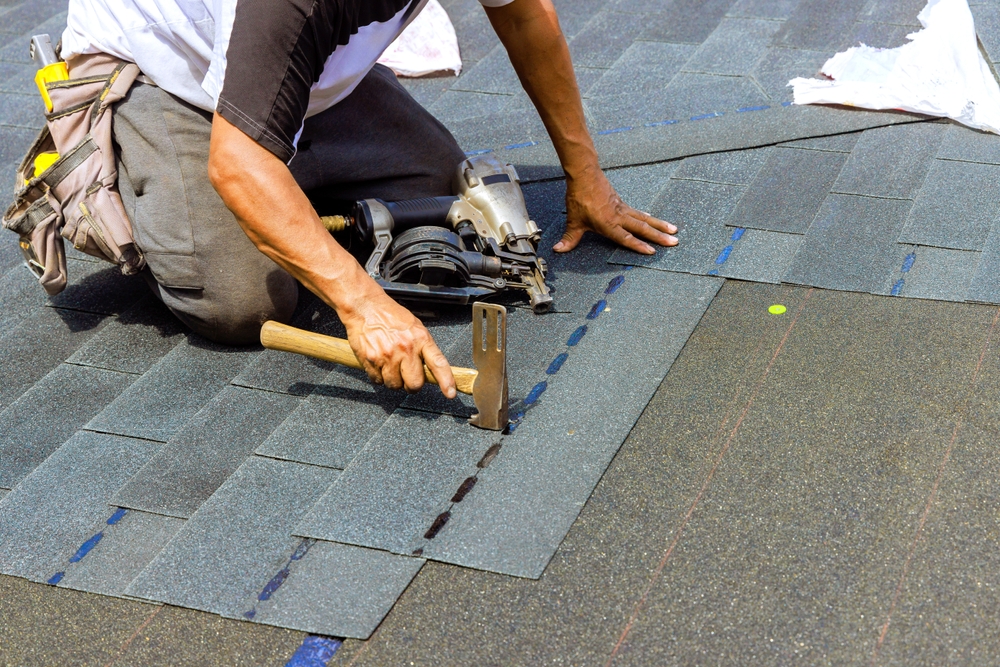
Hiring a roofer is one of the larger decisions a homeowner makes, and in a city like Calgary — where hail, chinooks, and heavy snow all test a roof in the same year — the quality of the crew you choose shows up for decades. The challenge is that after every big storm, the number of people claiming to do roofing work spikes, and not all of them stick around once the job is done. Knowing how to vet a contractor before you sign protects both your home and your peace of mind.
This guide walks through the questions to ask, the documents to request, and the warning signs that should make you pause.
Start With Proof, Not Promises
Anyone can say they do good work. A reputable roofer can show it. Before you talk about scheduling, ask for proof of liability insurance and confirmation that the crew carries workers’ compensation coverage. This matters because if someone is injured on an uninsured job on your property, the liability can land on you. A contractor who hesitates to provide this documentation is telling you something important.
Ask how long the company has worked in the Calgary area and whether they have references from local homeowners. Local track record counts for more than a flashy brochure, because a roofer who lives and works here understands how Alberta weather behaves across the seasons.
Watch Out for Storm-Chasers
After a major hailstorm, out-of-town crews often sweep through neighbourhoods knocking on doors and pressuring homeowners to sign on the spot. High-pressure sales tactics, demands for large upfront deposits, and offers that expire "today only" are all red flags. A trustworthy roofer gives you time to think, provides everything in writing, and never asks you to rush.
A good rule: if someone is more interested in getting a signature than in getting onto your roof to look at it, keep looking. A company like a trusted Calgary roofing company earns the work by assessing the roof first and explaining what it actually needs.
Questions Worth Asking Every Roofer
Before you commit, run through a short list:
- Who will actually be on my roof? Some companies subcontract everything. Ask whether the crew is in-house.
- What materials will you use, and are you a certified installer? Certified installers can offer stronger manufacturer warranty coverage.
- What happens if you find hidden damage once the old roof is off? A clear answer here prevents surprises mid-project.
- How do you protect my property and clean up? Debris and stray nails can linger for months if a crew is careless.
- What warranty covers the workmanship, separate from the materials?
The answers tell you how organized, honest, and experienced a contractor really is.
Get Everything in Writing
A verbal agreement is worth very little when a dispute comes up. Insist on a written scope of work that spells out materials, the areas being worked on, cleanup expectations, and warranty terms. When you work with an experienced residential roofing team, you should expect a clear document rather than a vague handshake. Diamond Cut Roofing, for example, is known locally for providing honest estimates and clear recommendations before any work begins.
Understand the Difference Between a Quote and an Assessment
A number scribbled from the curb is not an inspection. A proper assessment means someone gets onto the roof — or uses safe inspection methods — examines flashing, decking, ventilation, and shingle condition, and then explains what they found. Only after that can a roofer give you a meaningful plan.
If you want a starting point, get a written assessment before comparing contractors, so you are comparing the same scope rather than guesses. Diamond Cut Roofing provides this kind of no-pressure evaluation so homeowners can make an informed choice.
Trust the Details
The small things reveal the big ones. Does the contractor answer calls and texts promptly? Do they show up when they say they will? Is the estimate legible and specific, or vague and generic? Roofing is a trade of details — flashing seams, nail placement, ventilation balance — and a company that is sloppy with communication often carries that habit onto the roof.
Frequently Asked Questions
How many quotes should I get before choosing a roofer?
Getting at least two or three assessments is wise. It helps you compare scope and approach rather than relying on a single opinion. Make sure each roofer is quoting the same work so the comparison is fair.
Is a door-to-door roofing offer ever legitimate?
Some are, but the pressure tactics common after storms warrant caution. Never sign on the spot. Take the company name, verify their local presence and insurance, and make your decision on your own timeline.
Why does certified installer status matter?
Manufacturers only extend their strongest warranty coverage through installers they have certified. Choosing a certified roofer like Diamond Cut Roofing can mean better long-term protection for the materials on your home.
What should a written estimate include?
It should list the materials, the specific areas being worked on, how the crew will protect and clean your property, the project timeline, and both workmanship and manufacturer warranty terms.
Should I pay a large deposit upfront?
Be cautious of any contractor demanding a large deposit before work begins. Reasonable, staged payment terms are standard; a push to hand over most of the total before work starts is a warning sign.
Choosing the right roofer comes down to proof, patience, and paperwork. Take the time to vet properly, and the roof over your head will reward you for years.