
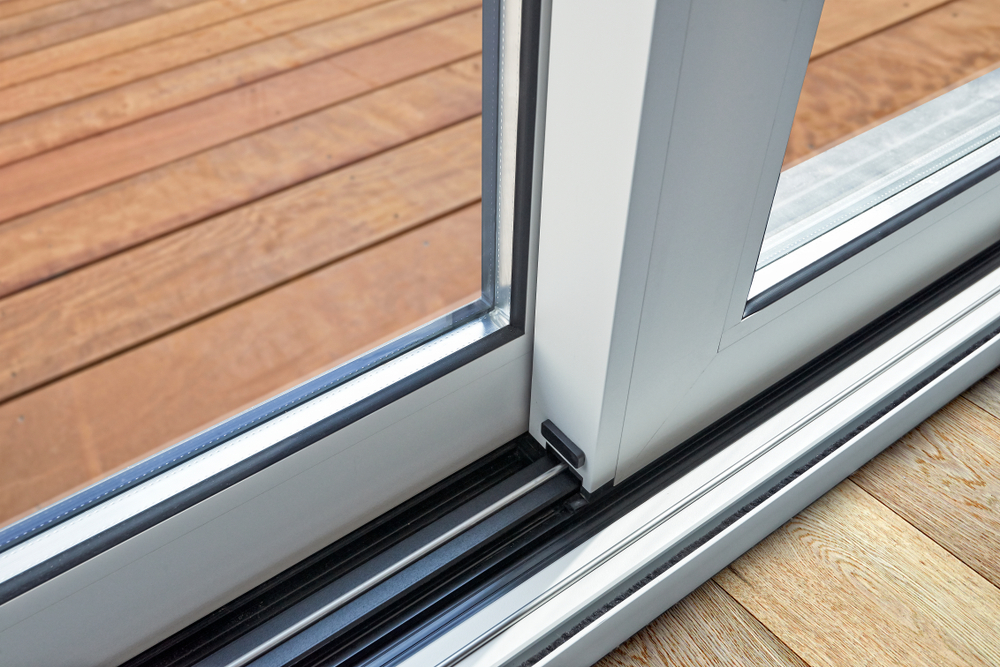
Most people pour their security attention into the front door, with its deadbolt and peephole and porch light. Meanwhile, the sliding glass door at the back of the house often sits on a flimsy latch that was never designed to stop anyone determined. Burglars know this. The patio door is quiet, usually hidden from the street, and on many homes it is the weakest point in the whole building. If you want to raise your home’s security meaningfully, the back of the house is where the biggest gains hide.
Locksmith On Time sees this pattern across Ottawa homes, from newer builds in Barrhaven to established houses in Nepean, and the fixes are more approachable than most homeowners expect.
Why Sliding Doors Are So Vulnerable
A standard sliding door relies on a small hook or latch that engages a notch in the frame. It is enough to keep the door shut, but it offers little resistance to force or manipulation. Three weaknesses show up again and again.
The Latch Can Be Forced or Shimmed
Factory latches on older patio doors are often thin and loosely fitted. With leverage, the door can sometimes be flexed enough for the latch to slip free. On poorly maintained tracks, the whole panel can even be worked loose.
The Door Can Be Lifted Off Its Track
Many sliding panels have enough vertical play that they can be lifted up and out of the lower track, bypassing the lock entirely. This is one of the most overlooked vulnerabilities in the entire home, because the lock itself never fails. The door simply comes out around it.
The Glass Is Still Glass
No lock protects against breakage, but you would be surprised how often entry does not involve breaking glass at all, because the easier routes above are available first. Reinforcing the mechanical weaknesses removes the quiet options and forces anyone to make noise.
Layered Fixes That Actually Work
Good patio-door security is about layers. No single device does everything, but a few simple additions working together change the picture completely.
- A secondary lock or foot bolt. A bolt that pins the door into the track or frame gives a second, independent point of security that a shimmed latch cannot defeat.
- A track blocker or security bar. A rigid bar or adjustable rod laid in the track stops the door from sliding open even if the latch is released.
- Anti-lift pins or screws. Fitted into the upper track, these close the gap that lets a panel be lifted out, defeating the lift-and-remove trick.
- An upgraded primary latch. When the original mechanism is worn or weak, proper lock installation and repair can replace it with hardware that actually resists force.
Used together, these turn a one-second bypass into a slow, loud problem that most intruders will not attempt.
When to Repair and When to Replace
The right move depends on the condition of the existing door and hardware. A latch that is simply loose or misaligned can often be adjusted or repaired. But if the mechanism is corroded, the keeper is stripped, or the door no longer sits squarely in its frame, patching it only delays the next failure. In those cases it makes more sense to swap a failing unit for a stronger one rather than keep nursing hardware that was weak to begin with.
Signs Your Patio Door Lock Needs Attention
- The latch does not catch cleanly unless you lift or shove the door.
- You can rattle the closed door noticeably in its frame.
- The handle or latch feels loose, sticky, or grinds when operated.
- The door has visibly dropped in its track over the years.
Any of these is a cue to address the hardware now, during a calm afternoon, rather than after an incident.
Don’t Forget the Rest of the Ground Floor
A hardened patio door is a big win, but burglars look for the overall weakest point. Ground-floor windows, a side gate, and a back door off the deck all deserve a quick honest look. The goal is not to turn your home into a fortress. It is to remove the easy, quiet options so that your house is simply more trouble than it is worth. For a whole-home review, a residential locksmith who works on homes can walk the property and point out the gaps you have stopped noticing. That is the kind of practical, room-by-room assessment Locksmith On Time carries out for homeowners across the region.
Frequently Asked Questions
What is the weakest part of a sliding patio door?
Usually the factory latch combined with vertical play in the panel. The latch can be forced or shimmed, and many panels can be lifted out of the track entirely, bypassing the lock.
Can I add a lock to a sliding door I already have?
In most cases, yes. Secondary locks, foot bolts, track bars, and anti-lift pins can be added to an existing door without replacing the whole unit, as long as the frame and track are sound.
How do I stop someone lifting my patio door off its track?
Anti-lift pins or screws fitted into the upper track close the gap that allows the panel to be raised. A locksmith can fit these and confirm there is no longer enough play to remove the door.
Should I repair or replace my patio door lock?
Repair makes sense when the hardware is merely loose or misaligned. If the mechanism is corroded or stripped, or the door has dropped in its frame, replacing the lock with stronger hardware is the more reliable fix.