
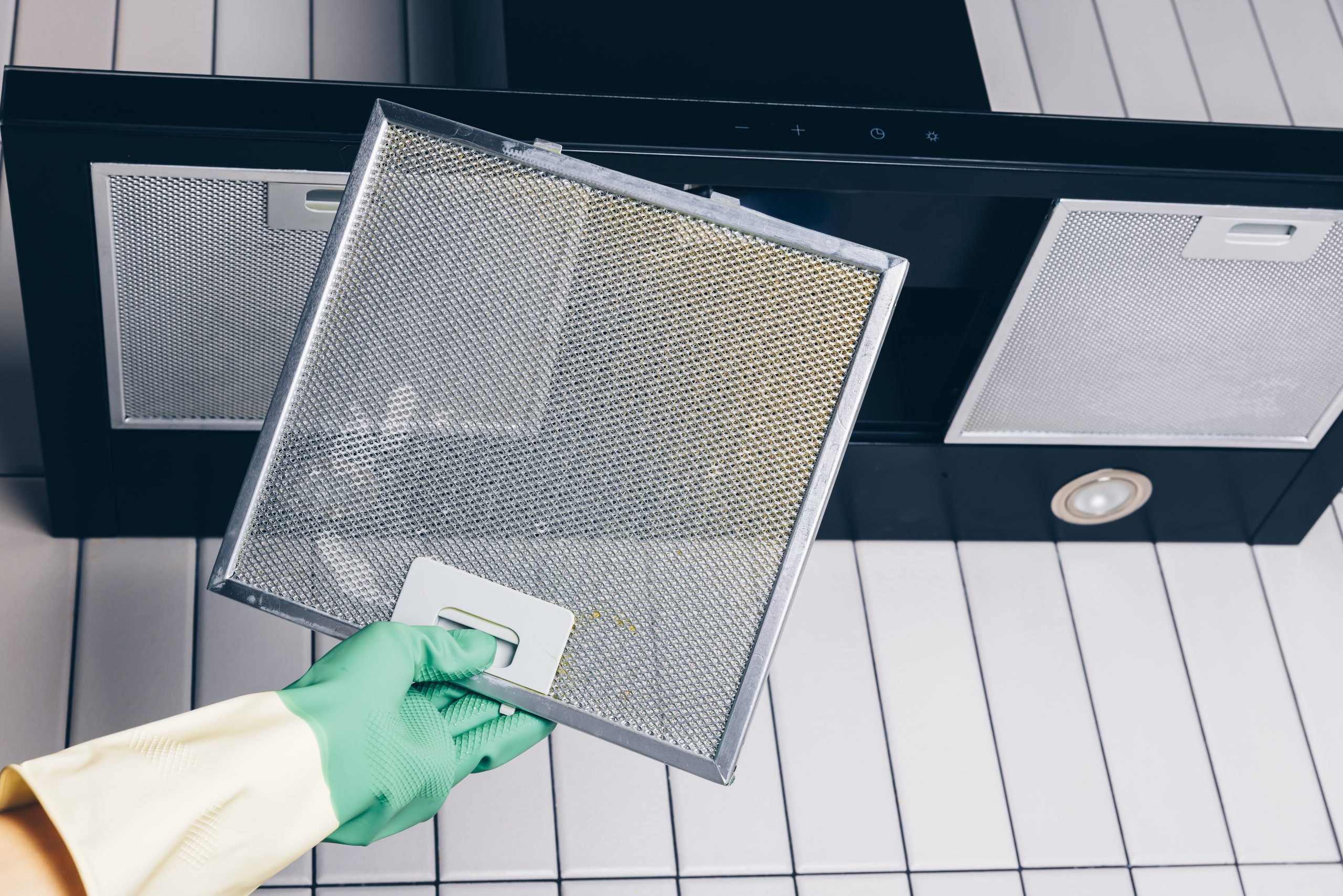
Many homeowners only notice their kitchen hood fan when something goes wrong. At first, the fan may still turn on and make noise, so everything seems normal. However, weak ventilation slowly creates hidden problems inside the kitchen. Grease, moisture, and cooking fumes start to build up in areas that are not always visible.
Fast Appliance Repair often sees situations where a simple ventilation issue slowly affects other parts of the kitchen environment. Therefore, understanding what weak hood fan ventilation can cause helps homeowners protect both their appliances and their indoor air quality.
Why Hood Fan Ventilation Matters in Every Kitchen
A hood fan is designed to remove smoke, grease, steam, and odors produced during cooking. As a result, it keeps the kitchen air cleaner and prevents unwanted buildup on cabinets and walls. However, when the ventilation becomes weak, these particles remain trapped inside the room.
Over time, grease particles begin settling on surfaces around the stove. In addition, moisture from boiling or frying food stays in the air longer than it should. This combination slowly creates a sticky film on nearby surfaces, which is often the first sign that ventilation is not working effectively.
Fast Appliance Repair frequently identifies these early warning signs during appliance inspections. Meanwhile, homeowners often assume the problem is normal kitchen residue rather than a ventilation issue.
Grease and Residue That Build Up Over Time
Weak hood fan ventilation often leads to grease accumulation that spreads throughout the kitchen. For example, cooking oils released into the air may travel far beyond the stovetop when the fan cannot remove them properly. Consequently, cabinets, ceilings, and light fixtures start collecting greasy residue.
This buildup is not just a cleaning problem. Grease layers can also affect the performance of other kitchen appliances. For instance, grease may settle on nearby appliances such as ovens, microwaves, and dishwashers.
In many homes, technicians from Fast Appliance Repair discover that ventilation problems contribute to appliance performance issues. Likewise, homeowners who schedule professional appliance inspections through the appliance repair services page often find that improving ventilation helps reduce recurring appliance problems.
Moisture and Condensation Problems
Cooking generates a large amount of steam, especially when boiling water or preparing hot meals. Normally, a hood fan removes this moisture before it spreads across the kitchen. However, weak ventilation allows steam to remain in the air longer than it should.
As a result, condensation forms on windows, walls, and even inside cabinets. Over time, constant moisture exposure can damage paint, drywall, and wooden surfaces. In addition, excessive humidity may create conditions that allow mold or mildew to grow in hidden spaces.
Fast Appliance Repair often explains that ventilation issues do not always appear immediately. Instead, they develop slowly as repeated cooking sessions introduce moisture into the same environment.
Lingering Cooking Odors and Poor Air Quality
Another common issue caused by weak hood fan ventilation is lingering cooking odors. When the fan cannot move air efficiently, smells from fried foods, spices, or burned ingredients remain in the kitchen much longer.
Consequently, these odors may travel throughout the entire home. For example, cooking smells can reach bedrooms, hallways, and living rooms if ventilation is insufficient. This situation becomes particularly noticeable in smaller homes or apartments.
Poor ventilation also affects indoor air quality. Grease particles and smoke that remain in the air may irritate the eyes or throat during heavy cooking sessions. Therefore, maintaining proper airflow is essential for a comfortable cooking environment.
Hidden Effects on Nearby Appliances
Weak ventilation does not only affect air quality; it may also influence nearby appliances. Kitchens contain multiple machines working close together, and airborne grease can interfere with their performance.
For instance, dishwashers located near the cooking area may experience grease exposure over time. Although this is not always immediately noticeable, residue can accumulate around seals and internal components.
Technicians from Fast Appliance Repair sometimes identify ventilation-related residue during service calls for dishwasher issues. Similarly, homeowners searching for solutions related to dishwasher performance often explore professional help through the dishwasher repair Calgary service page when ventilation and grease buildup begin affecting cleaning results.
Warning Signs Your Hood Fan Ventilation Is Weak
Several early warning signs suggest that hood fan ventilation may not be working effectively. Recognizing these signs helps prevent larger kitchen problems later.
Common indicators include:
• Smoke lingering above the stove
• Grease forming on nearby cabinets
• Strong cooking odors that remain after meals
• Steam collecting on windows during cooking
• Increased dust or residue around kitchen appliances
When these symptoms appear regularly, the ventilation system may need inspection or cleaning. In some cases, blocked ducts or worn fan components reduce airflow even when the fan motor still operates.
Why Professional Inspection Helps
Kitchen ventilation systems include several components such as filters, ducts, and fan motors. Over time, grease buildup or internal wear can reduce airflow efficiency.
Fast Appliance Repair often recommends periodic inspections to ensure the ventilation system continues working properly. Therefore, identifying airflow problems early can prevent larger issues with appliances and kitchen surfaces.
Professional inspections also help determine whether the fan itself is failing or if the problem comes from clogged filters or blocked ductwork.
FAQs
What causes weak hood fan ventilation?
Weak hood fan ventilation often occurs because of clogged grease filters, blocked ducts, worn fan motors, or improper installation. Over time, grease and dust buildup restrict airflow, which prevents the fan from removing smoke, steam, and cooking odors effectively.
Can weak ventilation damage kitchen cabinets?
Yes, weak ventilation can allow grease and moisture to settle on cabinets and nearby surfaces. As a result, cabinets may develop sticky residue, discoloration, or long term material damage if ventilation problems continue for extended periods.
Why does my kitchen stay humid while cooking?
Excess humidity usually happens when the hood fan cannot remove steam properly. Consequently, steam remains inside the kitchen and forms condensation on windows, walls, and cabinets instead of being vented outside.
How often should hood fan filters be cleaned?
Most kitchen hood fan filters should be cleaned every one to three months depending on cooking frequency. Regular cleaning helps maintain airflow efficiency and prevents grease buildup from blocking ventilation.
When should a hood fan be professionally inspected?
A hood fan should be inspected if smoke lingers, odors remain after cooking, or grease buildup increases around the stove area. Professional inspection can identify airflow restrictions, worn components, or duct problems before they affect other kitchen appliances.
You can read more about our services here: Alberta Business Beat, Your Local Biz, Post Of The Day, Canada Biz Portal, The Canada Best, Calgary Best, The Daily Local.