
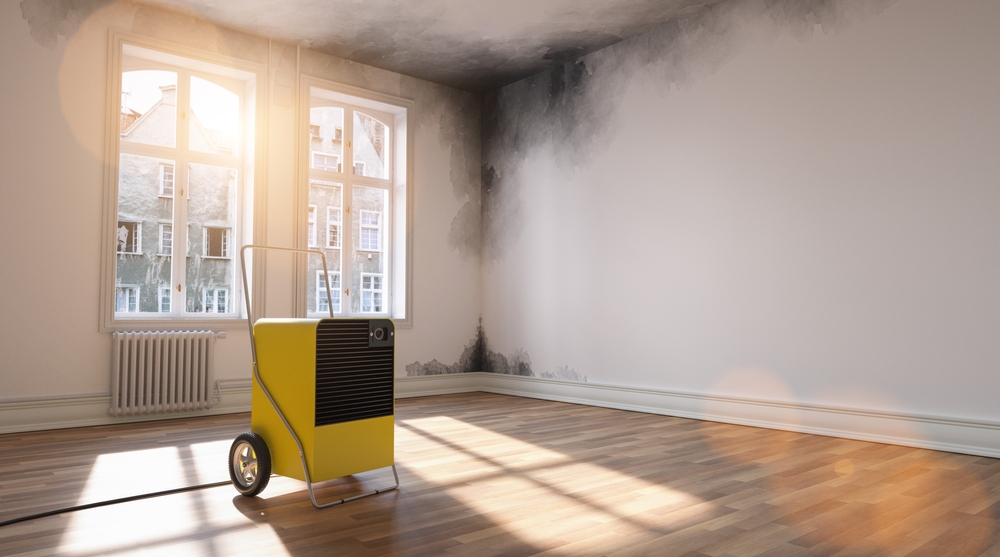
Most homeowners expect mold to appear in obvious places like bathrooms or basements. However, many serious mold problems actually begin inside walls where they remain hidden for months or even years. Because these areas are rarely visible, mold colonies can spread quietly behind drywall, insulation, and framing materials. Therefore the first signs are often subtle changes in the home environment rather than visible mold itself.
Envirotech Abatement & Remediation frequently encounters situations where property owners did not realize mold was growing inside their walls until damage became extensive. As a result, understanding the early warning signs can help prevent structural issues, health concerns, and expensive restoration work later on.
Strange Odors That Do Not Go Away
One of the earliest and most common warning signs of hidden mold is a persistent musty smell. Mold releases microscopic compounds called microbial volatile organic compounds. These particles create a damp, earthy odor that often becomes stronger in closed rooms, closets, or hallways.
At first the smell may appear occasionally, especially after humidity increases or during rainy weather. However the odor gradually becomes stronger as mold colonies expand behind drywall and insulation. In many homes the smell seems to come from vents, wall corners, or electrical outlets.
Homeowners sometimes try to solve the problem with air fresheners or cleaning products. However this only masks the odor temporarily. Therefore when musty smells remain after cleaning, it often means mold is developing in hidden building cavities.
Professional inspections performed by Envirotech Abatement & Remediation help identify the exact source of the odor and determine whether contamination exists behind the walls. In some cases specialists may also inspect nearby materials for other environmental hazards, including insulation or drywall that may require asbestos abatement in Calgary.
Discoloration Appearing on Walls or Ceilings
Another strong indicator of mold inside walls is unusual discoloration on painted surfaces or ceilings. Mold often grows on the back side of drywall first. However moisture gradually spreads through building materials, creating visible stains on the surface.
These stains may appear yellow, brown, grey, or slightly green. Sometimes they look like water marks or faded patches of paint. Therefore many homeowners initially assume the problem is simple water damage rather than mold growth.
In reality these stains can signal moisture trapped inside the wall structure. Once moisture remains trapped for extended periods, mold colonies begin to develop behind the surface materials.
Envirotech Abatement & Remediation often investigates these types of stains because they may indicate deeper contamination inside wall cavities. Proper evaluation requires professional moisture detection equipment and indoor air analysis. Information about environmental hazards and safe remediation methods can also be found through resources available on the environmental remediation specialists.
Peeling Paint or Bubbling Drywall
When mold develops inside walls, moisture begins to weaken the materials that form the interior surfaces of the home. As a result paint may start peeling, wallpaper may loosen, or drywall may appear to bubble or warp slightly.
These changes often occur gradually. At first small areas of paint may lift near baseboards or corners. However over time the damaged areas expand as moisture continues to spread through the wall assembly.
Drywall that feels soft when pressed can also signal trapped moisture and potential mold activity. Similarly, warped baseboards or swelling trim pieces sometimes indicate moisture accumulating inside the wall structure.
Because mold feeds on organic materials like drywall paper and wood framing, these materials slowly deteriorate as contamination spreads. Therefore structural surfaces begin showing visible signs long before mold becomes fully visible.
Professionals from Envirotech Abatement & Remediation examine these materials carefully to determine whether the damage is caused by plumbing leaks, condensation problems, or mold growth hidden inside the wall.
Unexplained Allergy or Respiratory Symptoms
Hidden mold inside walls can also affect indoor air quality. Mold spores become airborne and circulate through ventilation systems, entering living spaces even when the growth itself is hidden.
People living in affected homes may begin experiencing symptoms such as coughing, nasal congestion, headaches, or irritated eyes. These symptoms often appear more strongly while indoors and improve when leaving the home.
Children, elderly individuals, and people with asthma or allergies may notice the effects more quickly. However even healthy individuals can experience respiratory irritation if mold exposure continues for long periods.
Because mold growth inside walls may release thousands of microscopic spores into the air, indoor air testing is often required to confirm contamination. Envirotech Abatement & Remediation uses specialized equipment to analyze air samples and determine whether hidden mold is affecting indoor environments.
Once the source is identified, remediation specialists can safely remove contaminated materials and restore safe indoor air conditions.
Moisture Problems That Never Fully Dry
Water leaks, condensation issues, and humidity problems often create the conditions necessary for mold to grow inside walls. Even small plumbing leaks behind sinks or inside bathrooms can slowly saturate insulation and drywall.
At first the moisture may not seem serious. However if materials remain damp for more than 24 to 48 hours, mold spores can begin developing within the wall cavity.
Signs of ongoing moisture may include damp smells, condensation on windows, or rooms that always feel humid. Similarly, walls that feel slightly cool or damp can indicate hidden moisture accumulation.
Envirotech Abatement & Remediation carefully investigates these conditions because controlling moisture is essential to preventing mold from spreading. Identifying the moisture source allows technicians to remove contaminated materials and restore dry, healthy building conditions.
Why Early Detection Matters
Mold hidden inside walls can spread silently for long periods before homeowners realize a problem exists. As colonies expand, they damage building materials and release spores that circulate throughout the home.
Therefore early detection plays an important role in protecting both property and health. Professional inspection allows specialists to identify contamination, locate moisture sources, and safely remove affected materials before structural damage becomes severe.
Envirotech Abatement & Remediation focuses on restoring healthy indoor environments by using modern inspection tools, containment methods, and safe remediation procedures. Addressing the warning signs early helps homeowners avoid larger repairs and maintain safe living spaces.
FAQs
What causes mold to grow inside walls?
Mold inside walls usually develops when moisture becomes trapped behind drywall or insulation. Plumbing leaks, roof leaks, condensation, or high humidity can create damp conditions that allow mold spores to grow within building materials.
Can mold grow without visible water damage?
Yes. Mold can grow even when water damage is not visible. Small leaks or condensation inside wall cavities may provide enough moisture for mold to develop behind surfaces long before stains appear.
Is hidden mold dangerous for indoor air quality?
Hidden mold can affect indoor air quality because spores become airborne and circulate throughout the home. This may cause respiratory irritation, allergies, or other health symptoms for people living in the property.
How do professionals detect mold behind walls?
Professionals use moisture meters, infrared cameras, and air sampling equipment to detect hidden mold. These tools allow specialists to identify moisture sources and confirm contamination without unnecessary wall removal.
When should homeowners call a mold remediation specialist?
Homeowners should contact a professional when persistent musty odors, unexplained stains, peeling paint, or ongoing moisture problems appear. Early inspection helps identify hidden mold and prevents larger structural damage later.
You can read more about our services here: Alberta Business Beat, Your Local Biz, Post Of The Day, Canada Biz Portal, The Canada Best, Calgary Best, The Daily Local.