
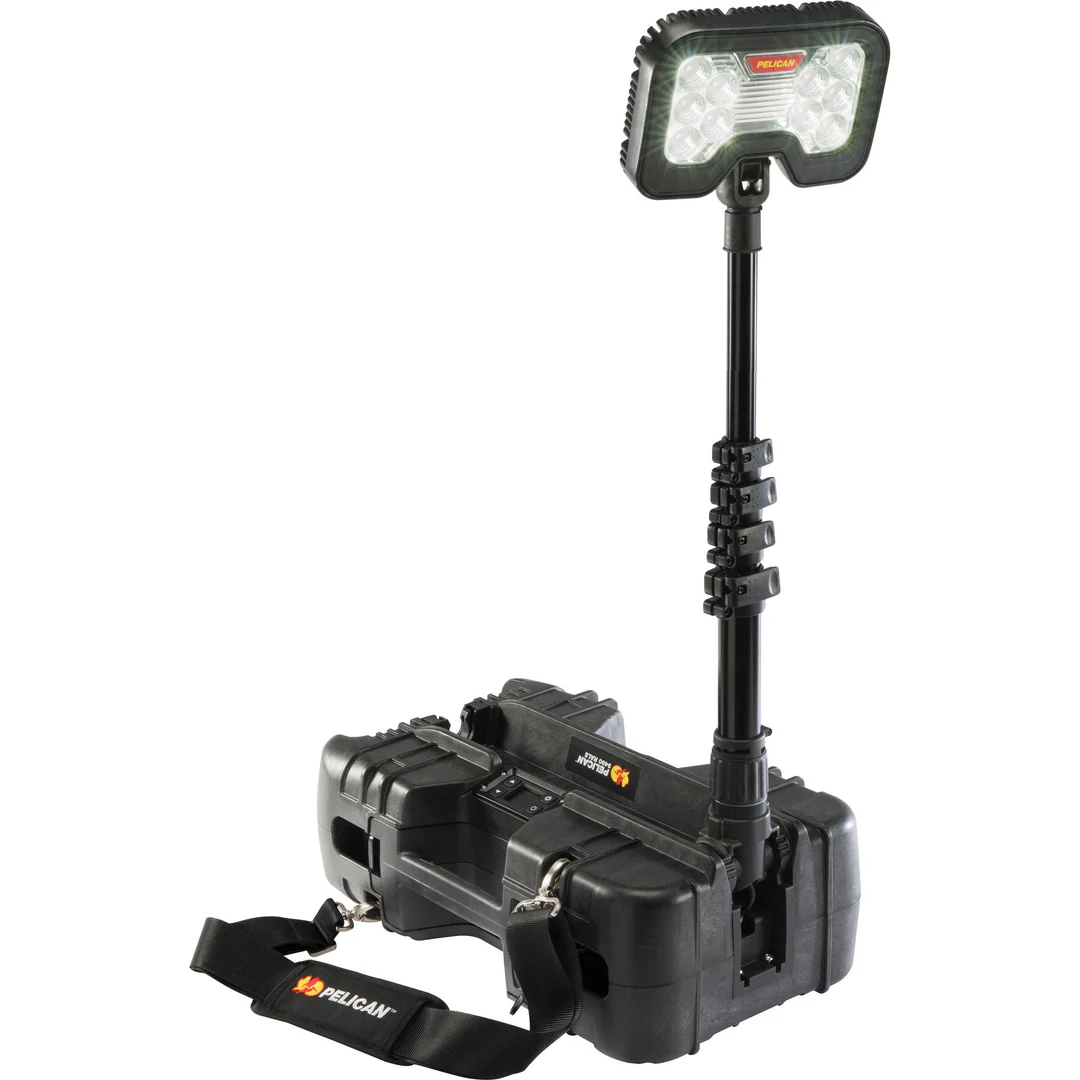
Remote jobsites continue to grow across Canada in 2026. Oil fields, construction zones, mining operations, emergency response sites, and industrial projects often operate in areas with limited infrastructure. As a result, dependable lighting has become one of the most important parts of safe and productive work environments. Without proper visibility, crews may face delays, equipment damage, or serious safety concerns during overnight or low-light operations.
Optimal Cases and Lights Inc. supplies lighting and protective equipment designed for demanding industrial environments. Above all, reliable lighting systems help teams continue working efficiently during early mornings, nighttime shifts, storms, and emergency situations where standard lighting solutions cannot perform properly.
Why Remote Worksites Need Better Lighting Than Ever
Many remote worksites operate far away from city power grids and public infrastructure. Therefore, companies must rely on portable and heavy-duty lighting systems that can perform in rough outdoor conditions. Weather changes, uneven terrain, and long operating hours create additional challenges that basic work lights cannot handle effectively.
Modern remote area lighting systems are designed for high-output illumination, long runtime, and fast setup. In other words, workers can safely perform inspections, repairs, loading tasks, and site operations without losing visibility. Meanwhile, industries across Canada continue investing in stronger portable lighting because remote operations now run longer hours than before.
Companies working in oil and gas, utility maintenance, road construction, and environmental projects often require lighting systems that resist rain, dust, and impact damage. For instance, harsh Alberta winters and isolated northern worksites demand equipment built for extreme outdoor conditions. Many businesses also combine lighting systems with rugged storage solutions like protective cargo cases to safely transport equipment between jobsites.
Safety Standards Continue to Increase in 2026
Workplace safety regulations continue becoming stricter across industrial sectors. Consequently, employers now place greater emphasis on visibility and accident prevention during nighttime operations. Poor lighting increases the risk of slips, falls, vehicle collisions, and equipment misuse on remote sites.
Remote area lighting systems help eliminate dark zones around equipment, pathways, and active work areas. Similarly, portable lighting towers improve visibility for operators working with heavy machinery during overnight shifts. Good lighting also helps workers identify hazards faster, especially in environments with moving vehicles or dangerous materials.
Optimal Cases and Lights Inc. supports industries that require dependable lighting for both planned operations and emergency response situations. In addition, many remote crews now prefer LED-based lighting systems because they produce brighter output while using less power compared to older lighting technologies.
Another important factor involves worker fatigue. Long hours in low visibility conditions can increase stress and reduce concentration. However, properly illuminated worksites help crews stay alert and productive throughout the shift. As a result, businesses experience fewer interruptions and better operational efficiency.
Portable Lighting Helps Crews Work Faster
Remote operations often require fast deployment and mobility. Therefore, portable lighting systems have become essential for temporary worksites and changing field conditions. Teams can quickly reposition lighting units based on project needs without relying on permanent electrical infrastructure.
Modern lighting systems now include lightweight designs, rechargeable batteries, adjustable mast heights, and compact transport options. For example, emergency crews responding to pipeline repairs or storm damage can deploy lighting within minutes after arriving on site. After that, crews can continue working safely even in complete darkness.
Portable lighting also reduces downtime during unexpected power failures. Likewise, remote construction teams can continue operating during seasonal daylight shortages common in Canadian winters. Strong visibility allows projects to stay on schedule while maintaining safer working conditions.
Many businesses now transport sensitive tools and lighting components using durable storage systems from industrial protective equipment solutions. Rugged transport protection helps prevent damage during off-road travel, rough handling, and extreme weather exposure.
LED Technology Is Changing Remote Lighting Systems
LED technology continues improving rapidly in 2026. Consequently, remote lighting systems now deliver stronger illumination with lower fuel and energy consumption. Compared to older halogen systems, modern LED units generate less heat and require less maintenance over time.
Battery efficiency has also improved significantly. In other words, many remote lighting systems now operate for extended hours without constant generator support. This helps reduce fuel costs while minimizing operational noise at the worksite.
LED systems also provide better light quality for nighttime operations. For instance, brighter and more consistent illumination improves visibility around tools, machinery, and inspection areas. Workers can identify details more clearly, which helps reduce mistakes and delays during critical tasks.
Some remote lighting systems now include smart controls, adjustable brightness settings, and remote monitoring capabilities. Meanwhile, companies managing multiple worksites can monitor equipment performance more efficiently than before. These upgrades help businesses improve reliability while reducing maintenance interruptions.
Remote Lighting Supports Emergency Preparedness
Emergency response situations require dependable lighting that works immediately under difficult conditions. Therefore, remote area lighting systems play a major role in disaster recovery, rescue operations, and temporary emergency sites.
Flood recovery teams, utility repair crews, and first responders often work in environments where infrastructure has been damaged or completely unavailable. As a result, portable lighting systems help crews restore operations faster while maintaining safer working conditions.
Reliable lighting also improves communication and coordination between teams during emergencies. Similarly, illuminated staging areas help reduce confusion when multiple crews operate in the same location. Strong visibility becomes even more important during severe weather, remote highway incidents, or industrial shutdowns.
Optimal Cases and Lights Inc. continues supporting Canadian industries that require dependable lighting and protective transport solutions for demanding environments. Above all, remote worksites depend on equipment that performs consistently under pressure, especially when safety and productivity cannot be compromised.
FAQs
What is a remote area lighting system?
A remote area lighting system is a portable lighting solution designed for worksites without permanent electrical infrastructure. These systems provide strong illumination for construction, industrial operations, emergency response, and remote outdoor environments.
Why are LED lighting systems better for remote jobsites?
LED lighting systems use less power, last longer, and produce brighter illumination compared to older lighting technologies. Consequently, they reduce maintenance costs while improving visibility during overnight operations.
Can remote lighting systems handle harsh weather conditions?
Yes. Many industrial-grade lighting systems are designed to resist rain, snow, dust, vibration, and impact damage. Therefore, they perform reliably in challenging Canadian outdoor environments.
Why is portable lighting important for emergency response?
Portable lighting allows emergency crews to quickly illuminate damaged or hazardous areas during nighttime operations. In addition, faster setup improves worker safety and helps reduce operational delays.
How do companies transport lighting systems safely?
Many businesses use heavy-duty protective storage and transport cases to protect lighting equipment from impact, moisture, and rough handling during transportation to remote worksites.