
Few things disrupt daily life quite like heel pain. If your first steps out of bed feel like walking on glass, or your arch aches after standing for long periods, you are likely dealing with plantar fasciitis — one of the most common causes of foot pain in adults. While it often starts as a minor ache, plantar fasciitis has a frustrating tendency to become chronic if the underlying tension and inflammation are not properly addressed.
At Osteo Health Calgary, acupuncture is used as part of a comprehensive approach to plantar fasciitis, aimed not just at masking pain but at supporting the tissue’s ability to recover.
What Causes Plantar Fasciitis?
The plantar fascia is a thick band of connective tissue running along the bottom of the foot, connecting the heel to the toes. Repetitive strain, tight calf muscles, poor footwear, prolonged standing, or changes in activity level can all place excess load on this tissue, leading to microtears, inflammation, and that sharp, familiar heel pain — especially with the first steps in the morning.
How Acupuncture Helps
Acupuncture for plantar fasciitis focuses on several goals:
- Reducing local inflammation and pain
- Improving circulation to support tissue healing
- Releasing tension in the fascia and surrounding muscles
- Addressing tightness in the calf and lower leg that contributes to foot strain
- Supporting overall foot and ankle mobility
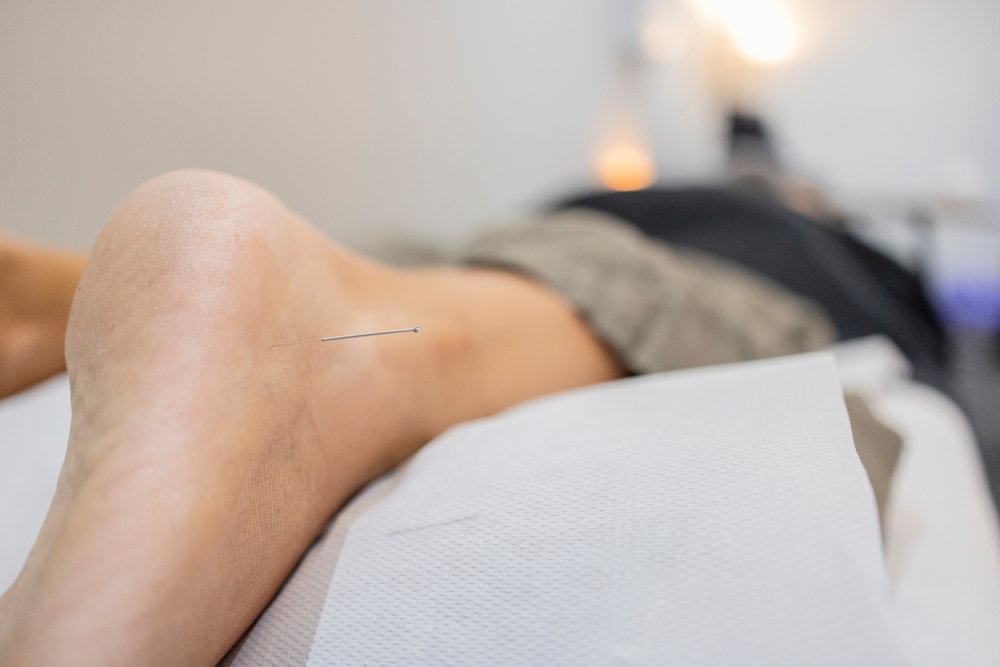
Needles may be placed directly around the heel and arch, as well as along the calf and lower leg, since tightness higher up the chain often contributes to strain at the heel. This broader view is part of why acupuncture tends to work well when combined with other therapies.
A Combined Treatment Approach
Plantar fasciitis rarely resolves with a single type of treatment alone, which is why Osteo Health frequently combines acupuncture with:
- Myofascial release to loosen tight calf and foot muscles
- Shockwave therapy to stimulate tissue repair in stubborn cases
- Manual osteopathy to assess and correct compensation patterns elsewhere in the body
- Home care exercises and stretching guidance
This layered approach addresses not just the painful spot on the heel, but the mechanical and muscular factors that allowed the problem to develop in the first place.
What to Expect
During your first visit, your practitioner will ask about your pain patterns, footwear, activity level, and any previous injuries. From there, a treatment plan is built around your specific presentation. Many people are surprised by how gentle the treatment feels — acupuncture needles are extremely thin, and most people describe sensations of warmth, mild pressure, or a deep, relaxing release rather than discomfort.
For plantar fasciitis, a typical plan starts with more frequent visits to calm the acute inflammation and pain, followed by a maintenance phase as symptoms improve and tissue healing progresses.
Signs Plantar Fasciitis Acupuncture May Help You
- Sharp heel pain with your first steps in the morning
- Pain that worsens after long periods of standing or walking
- Chronic or recurring plantar fasciitis that hasn’t fully resolved
- Tightness in the calves affecting your foot mechanics
- A desire for a non-invasive alternative or complement to other treatments
A Note on Timelines
Plantar fasciitis can take time to resolve, particularly if it has been present for months rather than weeks. Consistency matters — a short course of weekly treatments tends to produce better outcomes than isolated, occasional visits. Your practitioner will help set realistic expectations based on how long you’ve had symptoms and how your body responds early in treatment.
Take the Next Step
If heel pain has been slowing you down, it may be worth exploring a treatment plan that goes beyond temporary relief. You can learn more about the clinic’s full acupuncture offerings on the Acupuncture Treatment page, including how plantar fasciitis care fits into a broader, whole-body approach.
When you’re ready to get started, appointments can be booked directly through the online booking system. The clinic is open Monday through Saturday, and many extended health plans include acupuncture coverage — it’s worth checking your benefits ahead of your visit.
Heel pain doesn’t have to become a permanent part of your routine. With the right combination of treatments, most people find meaningful, lasting improvement.
FAQ
Can acupuncture really help plantar fasciitis? Yes, it may reduce inflammation, ease fascia tension, and improve circulation, supporting the foot’s natural healing process over time.
How soon will I feel relief from heel pain? Some notice improvement within a few sessions, though chronic cases usually need a longer, consistent course of weekly treatment.
Is acupuncture combined with other plantar fasciitis treatments? Yes, it’s often paired with shockwave therapy, myofascial release, and manual osteopathy for a more complete recovery approach.
Does calf tightness really affect heel pain? Yes, tight calves increase strain on the plantar fascia, so treatment often addresses the lower leg, not just the heel.
Will plantar fasciitis come back after treatment? It can recur without addressing contributing factors like footwear or mechanics, which is why home care guidance is included.